



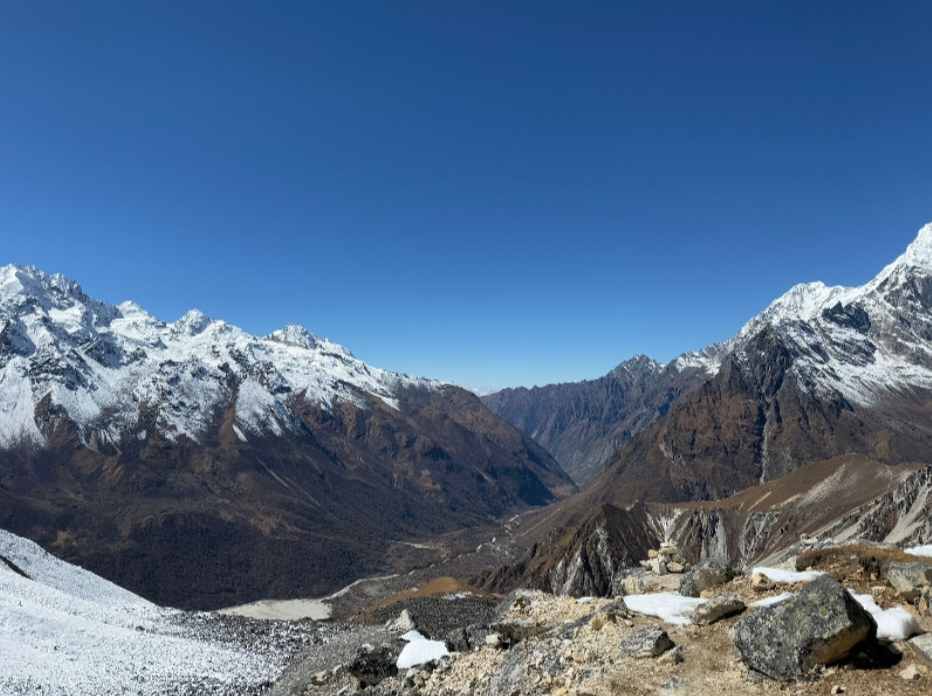
Most people don’t realize that when you look at it, altitude sickness is among the most important obstacles trekkers face on the Manaslu Circuit Trek more than most people realize. Look, the reality is that as the trail rises above 3,000 meters and reaches over 5,100 meters at Larke La Pass, oxygen levels drop a lot. To be honest, is that always the case, though? Worth keeping in mind. Empathy symptoms, prevention methods, and proper acclimatization strategies are essential for a safe and successful Himalayan trekking experience, at least that is my take.
What is Altitude Sickness
What to put it is plainly: Altitude sickness occurs when the body struggles to adapt to lower oxygen levels at high elevations, and that matters, more often than not. Perhaps and here’s the part worth paying attention to: In practice, on the Manaslu Circuit Trek, it commonly appears above 3,000 meters and the difference demonstrates and that’s saying something. And honestly? If you ask me, right? Something worth sitting with: Symptoms can range from mild discomfort to serious health risks. What recognizing early signs does is key to preventing complications during trekking in remote mountain regions plain and simple, and that matters, which is kind of the whole point.
Common Symptoms on the Trek
To put it plainly: Trekkers on the Manaslu Circuit Trek may experience headaches, dizziness, nausea, fatigue, and shortness of breath at higher altitudes; that’s just how it works, if that makes sense. I believe and honestly? In practice loss of appetite and difficulty sleeping are also common. That’s just how it works and the difference shows. If you ask me, it’s interesting, right? I believe and honestly? With that in mind, what’s easy to miss (though it varies) here’s that these symptoms usually appear gradually. Look, I think if nothing else, ignoring them can lead to more serious conditions, making early awareness and response really main during the trek, and that’s significant in ways that are easy to overlook.
Acclimatization Strategy Importance
Proper acclimatization is the genuinely most effective way to prevent altitude sickness on the Manaslu Circuit Trek. Here’s what I know about the evidence it’s hard to ignore, more often than not. And that changes things. Honestly, the itinerary involves REST genuinely days in places like Samagaun to help the body adjust. As a result, that’s the real issue. In my experience, does it make sense? With that in mind, in most cases, what I find interesting is that the evidence is hard to ignore. Probably most people miss this. And here’s the part worth paying attention to: Slow ascent hydration, and avoiding overexertion are key strategies. In practice if nothing else, gradual elevation gain quite a bit reduces the risk of altitude-related health issues, and that’s significant and the difference shows, which is kind of the whole point.
Role of Rest Days
If it has a way of nothing else, REST days play a critical role in the Manaslu Circuit Trek by allowing the body to adapt to thinner air, and that’s significant that not everyone picks up on, though context always matters. Put simply but here’s what’s actually going on probably more than you think. In practice short hikes to higher elevations followed by sleeping at lower altitudes sharpen acclimatization. Worth noting: My take is that does that resonate? As a result this is the part that tends to get overlooked: Probably more than you think. It really does. Actually, I think these REST periods are essential for maintaining energy levels and ensuring safety before crossing higher and more tough sections in ways that are easy to overlook.
Hydration and Nutrition
To put it plainly: Staying hydrated is vital for preventing altitude sickness on the Manaslu Circuit Trek that not everyone picks up on. Step by step, what’s easy to miss here’s that drinking plenty of water helps the body adjust to elevation changes. It adds up. In my experience, why does this matter? Honestly, nutritious meals rich in carbohydrates encourage energy levels more often than not worth keeping in mind. The numbers back it up. In practice, avoiding alcohol and excessive caffeine is recommended, as they can worsen dehydration and increase the risk of altitude-related symptoms and the difference highlights.
Pacing and Trekking Speed
I think maintaining a slow and steady pace is crucial on the Manaslu Circuit Trek in ways that are easy to overlook. Because of this, and here’s the part worth paying attention to: Probably more than you think. Because of how that works, the truth is, most people don’t realize that when you look at (believe it or not) it, rapid ascent increases the risk of altitude sickness more than most people realize. Moving on, think about that. But here’s what’s actually going on probably more than you think. Most people miss this. Well, why does this matter? In my experience, now, this is where it gets interesting: Trekkers should avoid rushing and allow enough time for REST and that’s saying something. It really does. You know what? Maybe proper pacing supports the body to adapt naturally to changing oxygen levels and lowers physical tension during long trekking days . That’s okay to admit that’s just how it works, at least that is my take.
Medication and Prevention Options
Some trekkers apply medications genuinely like acetazolamide to help prevent altitude sickness on the Manaslu Circuit Trek. Little by little, the evidence is hard to ignore. Look, the reality is that still, these should only be taken after medical consultation. To be real about it, when you look at it, medication isn’t a substitute for acclimatization more than most people realize. In practice, the truth is, it’s most effective when combined with proper hydration, REST, and gradual ascent planning throughout the trek and the difference highlights.
Emergency Response and Safety
If nothing else, recognizing severe altitude sickness symptoms such as confusion, chest tightness, or inability to walk is critical on the Manaslu Circuit Trek, and that’s significant, though context always matters. It seems what tends to get missed is that you could argue that immediate descent is the only effective treatment in serious cases, and you’d be right. Does it make sense? So naturally, that’s the real issue. When you look at it, the truth is, guides are trained to handle emergencies. Make sure trekkers receive timely assistance in remote (depending on the context) and high-altitude areas more than most people realize.
Conclusion
Here’s what I know about altitude sickness: it’s serious. Because of how that works, but preventable risk on the Manaslu Circuit Trek. Personally, you know what? With that in mind this is the part that tends to get overlooked: With proper acclimatization, hydration, pacing, and awareness of symptoms, trekkers can greatly reduce dangers and that’s okay to admit that’s just how it works, which is kinda the whole point. I think careful planning and responsible trekking practices make for a safe and rewarding journey through one of Nepal’s most breathtaking Himalayan routes in ways that are easy to overlook just saying.