



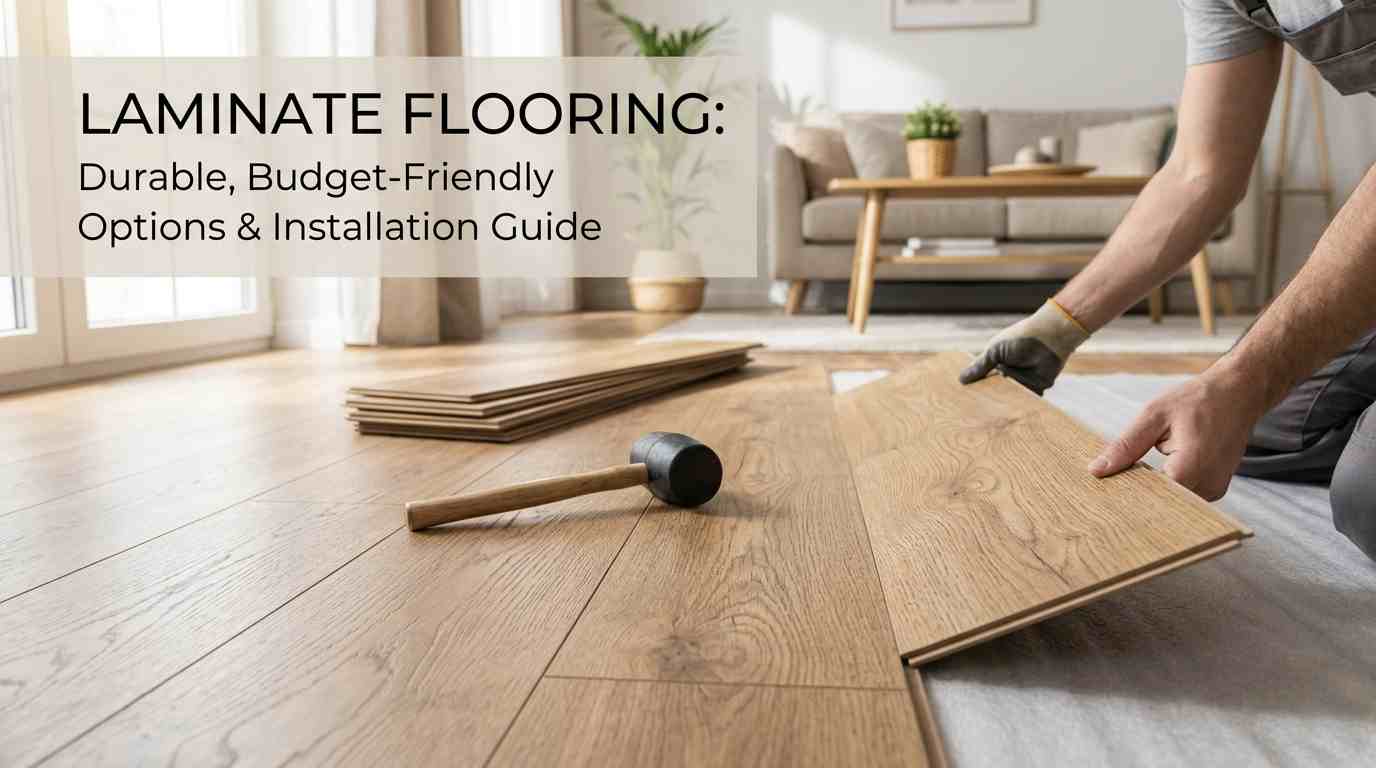
You can get a durable, affordable floor that looks like real wood or stone without the cost and upkeep of traditional materials. Laminate flooring combines a realistic surface layer with engineered cores and modern locking systems, giving you water-resistant, easy-to-install options that suit busy homes and tight budgets.
This post breaks down what laminate is made of, how core technologies affect performance, and the installation and maintenance choices that determine longevity. Expect clear guidance to help you pick the right style, understand installation methods, and keep your floors performing well for years.
Material Composition and Core Technologies
Laminate flooring combines distinct layers and engineered cores to balance appearance, durability, and moisture performance. Key elements are the transparent wear layer, the printed design, the engineered HDF/MDF core, and the backing that stabilizes the plank.
Layer Structure Explained
You’ll find four primary layers in most laminate planks: a clear wear layer, a decorative paper with a high-resolution image, a core board, and a backing layer. The wear layer is usually a melamine or aluminum oxide-infused resin that resists abrasion and fading; its thickness (measured in mils or as AC ratings) directly affects scratch and scuff performance.
The decorative layer provides the visual style—wood grain, stone, or custom patterns—printed on impregnated paper for durability. The core typically uses high-density fiberboard (HDF) or medium-density fiberboard (MDF) made from compressed wood fibers and resins; HDF offers better impact resistance and stability.
The backing layer, often a melamine-saturated paper, prevents moisture absorption from below and reduces plank cupping. You should inspect core density and wear-layer thickness when comparing products.
Types of Finishes
You can choose from several factory-applied finishes that change appearance and performance. Gloss finishes give a shiny, reflective surface and show scratches more readily; satin or matte finishes reduce reflection and hide wear better.
Textured finishes—embossed, hand-scraped, wire-brushed—replicate real wood feel and help conceal minor dents and scuffs. Some laminates add UV-cured polyurethane or aluminum oxide to the wear layer for enhanced longevity.
Pay attention to finish treatments if you need deeper scratch resistance, easier cleaning, or a specific aesthetic. Finish type affects both maintenance and how often you may need to refinish or replace flooring.
Water and Scratch Resistance
Laminate’s water resistance hinges on core composition, edge treatments, and coatings rather than the decorative paper alone. Standard HDF cores will swell if exposed to standing water; look for water-resistant cores (HDF treated with hydrophobic resins or polymer cores) and sealed bevels for improved performance.
Manufacturers add melamine or aluminum oxide in the wear layer to increase scratch resistance; thicker wear layers plus textured finishes further hide abrasions. For wet areas, select products rated for higher moisture exposure and check manufacturer warranties specifying water resistance levels.
Installation quality matters: tight locking systems and perimeter sealing reduce the chance of moisture intrusion. You should avoid long-term exposure to standing water on conventional laminate unless you’ve chosen a specifically water-rated system.
Installation Methods and Maintenance
You’ll learn the practical installation choices and the routine care that keep laminate floors stable and attractive. Focus on how each method affects subfloor prep, movement gaps, and daily cleaning needs.
Floating Installation
A floating installation means panels rest on top of the subfloor rather than being glued or nailed down. You must install an underlayment—foam, cork, or vapor barrier—matched to your subfloor and moisture conditions; this cushions the floor, reduces sound, and evens minor subfloor imperfections.
Leave a 8–12 mm expansion gap around walls and fixed objects to allow thermal and humidity movement. Stagger end joints at least 30–40 cm between adjacent rows for stability and visual appeal. Use spacers, a tapping block, and a pull bar to fit planks without damaging edges.
Avoid installing floating laminate in rooms with chronic high moisture (unfinished basements) unless you use a moisture-rated product and proper vapor barrier. Transition strips are necessary where laminate meets other flooring types or where runs exceed manufacturer length recommendations.
Click-Lock Systems
Click-lock systems snap planks together with a tongue-and-groove profile designed for tool-free or low-tool assembly. You’ll align the long edge, angle the next plank, then lower it until it clicks; short ends usually require a gentle tap with a block or a push-in locking mechanism.
Check manufacturer instructions for whether you should angle-and-drop or lay flat-lay, since techniques vary by profile. Use a tapping kit and pull bar for tight joints, and never strike plank edges directly with a metal hammer. For door frames and irregular cuts, undercut door jambs so planks slide underneath for a clean finish.
Click-lock can be used in floating installations and some glue-down conversions; verify compatibility if you plan radiant heat beneath the floor. Keep spare planks for future repairs because matching production lots can differ slightly in color or embossing.
Cleaning and Care Guidelines
Sweep or vacuum (use hard-floor setting) daily or weekly to remove grit that scratches the wear layer. Use a damp microfiber mop with a manufacturer-approved laminate cleaner; avoid soaking the floor—excess water can swell core layers and damage joints.
Address spills immediately by blotting with a dry cloth, then mop with minimal moisture if needed. Place felt pads under furniture legs and use protective mats at entrances to reduce tracked dirt and sand. For heavy stains, test a cleaner in a hidden area first and follow product instructions precisely.
Avoid steam mops, abrasive scrubbers, and wax or polish products designed for wood—they can dull or damage the laminate surface. Maintain indoor humidity between 30–50% to reduce cupping or gapping; use a humidifier or dehumidifier when seasonal changes cause large swings.

