



Urinary incontinence is more common than many people realize, yet it often goes unspoken due to embarrassment or lack of awareness. Whether it’s occasional leaks when sneezing or a frequent urge that’s hard to control, this condition can significantly impact daily life. Fortunately, there are effective, non-invasive ways to manage it. Many people are now turning to specialized care providers like Rebecca’s Physical Therapy for evidence-based solutions that address the root cause. If you want to better understand treatment options, this detailed guide on offers valuable insights into modern, therapy-driven approaches.
In this article, we’ll explore what urinary incontinence is, why it happens, and how physical therapy and lifestyle strategies can help you regain control and confidence.
What Is Urinary Incontinence?
Urinary incontinence is the involuntary leakage of urine. It can range from minor, occasional leaks to more severe and frequent loss of bladder control.
Common Types of Incontinence:
- Stress incontinence: Leakage during activities like coughing, sneezing, or exercising
- Urge incontinence: Sudden, intense urge to urinate followed by leakage
- Mixed incontinence: A combination of stress and urge symptoms
- Overflow incontinence: Inability to fully empty the bladder
Understanding the type of incontinence you’re experiencing is the first step toward effective treatment.
Causes of Urinary Incontinence
Urinary incontinence is not a disease—it’s a symptom of underlying issues.
Physical Causes:
- Weak pelvic floor muscles
- Nerve damage
- Hormonal changes
- Pregnancy and childbirth
- Aging
Lifestyle Factors:
- Obesity
- High caffeine intake
- Smoking
- Sedentary lifestyle
Medical Conditions:
- Diabetes
- Prostate issues (in men)
- Neurological disorders
Identifying the cause helps determine the most appropriate treatment approach.
Why Pelvic Floor Health Matters
The pelvic floor muscles support the bladder, uterus (in women), and bowel. When these muscles weaken or become uncoordinated, bladder control can be affected.
Functions of the Pelvic Floor:
- Supports internal organs
- Controls bladder and bowel movements
- Stabilizes the core
Strengthening these muscles is one of the most effective ways to treat urinary incontinence.
How Physical Therapy Helps
Physical therapy is a highly effective, non-invasive treatment for urinary incontinence. It focuses on restoring strength, coordination, and function to the pelvic floor.
1. Pelvic Floor Exercises
Often referred to as Kegel exercises, these target the muscles responsible for bladder control.
Benefits:
- Improved bladder control
- Reduced leakage episodes
- Increased muscle strength
Consistency is key—results usually appear within a few weeks.
2. Biofeedback Training
Biofeedback helps you understand how your pelvic muscles are working.
How It Works:
- Sensors monitor muscle activity
- Visual or auditory feedback guides improvement
- Ensures exercises are performed correctly
This technique is especially helpful for individuals who struggle to identify the correct muscles.
3. Bladder Training
Bladder training involves gradually increasing the time between bathroom visits.
Goals:
- Improve bladder capacity
- Reduce urgency
- Establish better control
This method is particularly effective for urge incontinence.
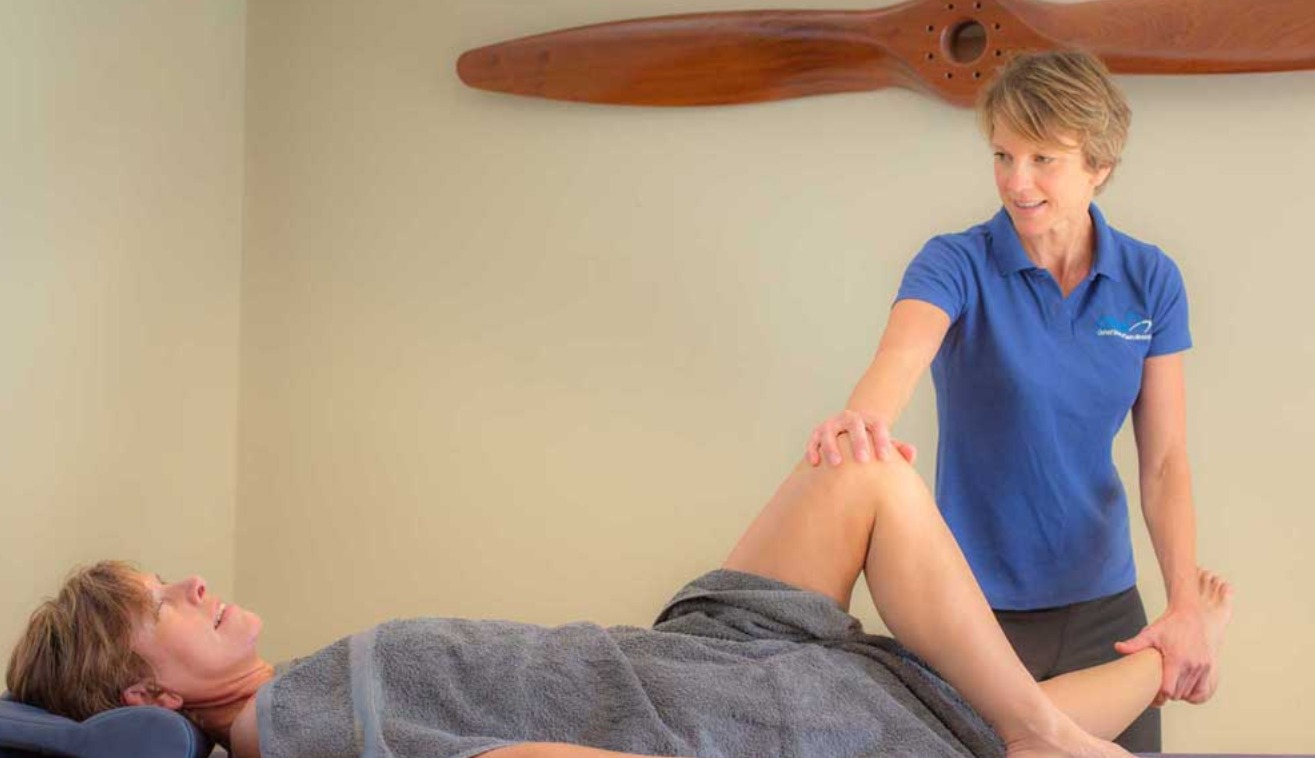
4. Manual Therapy
Therapists may use hands-on techniques to:
- Release muscle tension
- Improve blood flow
- Reduce discomfort
This is beneficial for patients with pelvic pain or tightness.
Lifestyle Changes That Make a Difference
In addition to therapy, simple lifestyle adjustments can significantly improve symptoms.
1. Maintain a Healthy Weight
Excess weight puts pressure on the bladder.
2. Limit Bladder Irritants
Reduce intake of:
- Caffeine
- Alcohol
- Spicy foods
3. Stay Hydrated
Drinking too little water can irritate the bladder.
4. Quit Smoking
Smoking can lead to chronic coughing, which worsens stress incontinence.
Tips for Daily Management
Managing urinary incontinence involves building habits that support bladder health.
Use Scheduled Voiding
Go to the bathroom at regular intervals to avoid sudden urges.
Practice Double Voiding
Wait a few seconds after urinating and try again to fully empty the bladder.
Wear Supportive Products
Use absorbent pads if needed, but focus on long-term solutions.
Track Your Symptoms
Keeping a bladder diary can help identify patterns and triggers.
Pregnancy and Postpartum Incontinence
Urinary incontinence is especially common during and after pregnancy.
Why It Happens:
- Hormonal changes
- Increased pressure on the bladder
- Stretching of pelvic floor muscles
Recovery Tips:
- Start pelvic floor exercises early
- Seek professional guidance
- Avoid heavy lifting initially
Early intervention can prevent long-term issues.
When to Seek Professional Help
While mild symptoms can often be managed at home, professional care is important for persistent issues.
Signs You Should See a Specialist:
- Frequent leakage
- Sudden, uncontrollable urges
- Pain during urination
- Symptoms affecting daily life
A trained physical therapist can create a personalized treatment plan tailored to your needs.
Benefits of Choosing Physical Therapy
Physical therapy offers a safe and effective alternative to medication or surgery.
Key Advantages:
- Non-invasive approach
- Long-term results
- Minimal side effects
- Personalized care
It empowers individuals to take control of their health naturally.
Common Myths About Urinary Incontinence
“It’s Just a Normal Part of Aging”
While common, it’s not something you have to live with.
“Only Women Experience It”
Men can also suffer from incontinence, especially after prostate surgery.
“Surgery Is the Only Solution”
Many cases can be treated successfully with physical therapy.
Long-Term Outlook
With the right approach, most people see significant improvement.
What to Expect:
- Better bladder control
- Reduced leakage
- Increased confidence
- Improved quality of life
Consistency and proper guidance are essential for lasting results.
Final Thoughts
Urinary incontinence can feel overwhelming, but it’s highly treatable with the right knowledge and support. By focusing on pelvic floor health, making lifestyle adjustments, and seeking professional care when needed, you can regain control and improve your daily life.
If you’re ready to take the next step, exploring expert care from Rebecca’s Physical Therapy can provide the guidance you need. Learn more about effective, evidence-based treatment options by and start your journey toward better bladder health and confidence.