



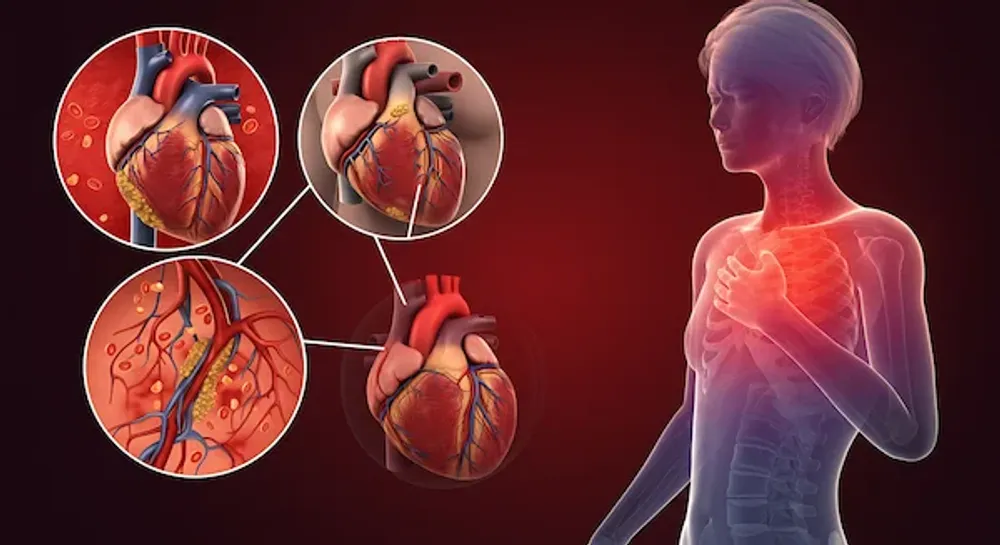
Heart block is a condition that affects the heart’s electrical system and can slow down or interrupt the normal heartbeat. Many people confuse heart block with a heart attack, but they are not the same. A heart attack happens when blood flow to the heart muscle is blocked, while heart block happens when electrical signals inside the heart are delayed or stopped.
In this detailed guide, you will learn what heart block is, its types, symptoms, causes, diagnosis, treatment options, and how to live a healthy life with it.
What Is Heart Block?
Heart block occurs when the electrical signals that control your heartbeat do not travel properly through the heart. Normally, these signals start in the SA node (sinoatrial node), which is the heart’s natural pacemaker. Then they move through the AV node (atrioventricular node) and spread to the ventricles (lower chambers).
When the signal is slowed down or blocked, the heart may beat too slowly, irregularly, or even skip beats.
Why Heart Block Is Serious
Heart block can reduce the heart’s ability to pump blood effectively. In severe cases, it can cause fainting, heart failure, or sudden cardiac arrest.
How the Heart’s Electrical System Works
To understand heart block, it helps to know how the heart’s electrical system works.
Normal Heartbeat Process
A normal heartbeat follows this pathway:
- SA node sends electrical signals
- Signal travels through the atria (upper chambers)
- Signal reaches the AV node
- Signal travels through the bundle of His and Purkinje fibers
- Ventricles contract and pump blood
Heart block happens when this pathway is disrupted, especially around the AV node or below it.
Types of Heart Block
Heart block is classified into different types depending on how much the electrical signal is delayed or blocked.
First-Degree Heart Block
First-degree heart block is the mildest form.
What Happens in First-Degree Heart Block?
- Electrical signals are slowed down
- But they still reach the ventricles
This type often causes no symptoms and is usually found during an ECG test.
Is First-Degree Heart Block Dangerous?
In most cases, it is not serious and does not require treatment. However, it may need monitoring if the person has other heart conditions.
Second-Degree Heart Block
Second-degree heart block is more serious than first-degree and happens when some electrical signals do not reach the ventricles.
There are two main types:
Second-Degree Heart Block Type 1 (Mobitz Type I / Wenckebach)
In this type:
- The electrical signal becomes slower and slower
- Until one heartbeat is skipped
- Then the cycle repeats
Symptoms of Mobitz Type I
Many people may have no symptoms, but some may feel:
- Dizziness
- Fatigue
- Lightheadedness
This type is often temporary and may occur due to medications or increased vagal tone.
Second-Degree Heart Block Type 2 (Mobitz Type II)
Mobitz Type II is more dangerous.
In this type:
- Electrical signals suddenly fail
- The heart may skip beats without warning
- It can quickly progress to complete heart block
Symptoms of Mobitz Type II
Common symptoms include:
- Fainting (syncope)
- Severe dizziness
- Chest discomfort
- Shortness of breath
- Extreme weakness
This type usually needs urgent medical attention.
Third-Degree Heart Block (Complete Heart Block)
Third-degree heart block is the most severe form.
What Happens in Complete Heart Block?
- No electrical signals pass from the atria to the ventricles
- The ventricles create their own slower rhythm
- The heartbeat becomes very slow and unreliable
Why Complete Heart Block Is Dangerous
It can cause:
- Sudden fainting episodes
- Low blood pressure
- Heart failure
- Risk of cardiac arrest
Complete heart block is a medical emergency in many cases.
Common Symptoms of Heart Block
Symptoms depend on the severity of the heart block.
Mild Heart Block Symptoms
- No symptoms (common in first-degree)
- Mild fatigue
- Occasional dizziness
Moderate to Severe Heart Block Symptoms
- Slow heart rate (bradycardia)
- Weakness and tiredness
- Dizziness or lightheadedness
- Fainting spells
- Chest pain
- Shortness of breath
- Confusion (especially in older adults)
If a person has fainting or severe chest pain, immediate emergency care is required.
Causes of Heart Block
Heart block can happen due to many reasons. Some causes are temporary and treatable, while others may require long-term management.
1. Age-Related Changes
As people age, the heart’s electrical system can become weaker, increasing the risk of heart block.
2. Heart Disease
Conditions such as:
- Coronary artery disease
- Heart attack history
- Cardiomyopathy
- Heart failure
can damage the electrical pathways.
3. Heart Surgery or Procedures
Heart surgeries may sometimes cause injury to the heart’s conduction system.
4. Medications
Certain medicines can slow down electrical signals, such as:
- Beta-blockers
- Calcium channel blockers
- Digoxin
- Anti-arrhythmic drugs
5. Electrolyte Imbalance
Low or high levels of potassium, calcium, or magnesium can affect heart rhythm.
6. Infections and Inflammation
Some conditions can inflame the heart tissue:
- Myocarditis
- Lyme disease
- Rheumatic fever
7. Congenital Heart Defects
Some people are born with heart conduction problems, leading to heart block.
How Heart Block Is Diagnosed
Doctors use different tests to confirm heart block and identify its severity.
ECG (Electrocardiogram)
This is the most common test. It records electrical signals and helps detect:
- Slow heartbeat
- Delayed conduction
- Skipped beats
Holter Monitor
A small portable ECG device worn for 24–48 hours to record heart rhythm continuously.
Event Monitor
Used for longer periods (weeks) when symptoms are not frequent.
Echocardiogram
This ultrasound test checks the heart’s structure and function.
Blood Tests
Used to check for:
- Electrolyte problems
- Thyroid issues
- Infection markers
How Heart Block Is Treated
Treatment depends on the type and severity of the heart block and whether symptoms are present.
Treatment for First-Degree Heart Block
Most cases do not require treatment.
Common Management
- Regular monitoring
- ECG follow-ups
- Adjusting medications if needed
If first-degree heart block is caused by medicines, doctors may reduce or change the dosage.
Treatment for Second-Degree Heart Block
Treatment depends on whether it is Type I or Type II.
Mobitz Type I Treatment
If symptoms are mild:
- Monitoring
- Medication review
If symptoms are severe:
- Temporary pacing may be needed
Mobitz Type II Treatment
This type usually requires:
- Hospital monitoring
- Temporary pacemaker (in emergency)
- Permanent pacemaker in many cases
Treatment for Third-Degree (Complete) Heart Block
Complete heart block usually requires immediate treatment.
Emergency Treatment
- Oxygen support
- IV medicines to stabilize heart rate
- Temporary pacemaker
Long-Term Treatment
Most patients need a permanent pacemaker to maintain a stable heartbeat.
Pacemaker: The Most Common Treatment for Heart Block
A pacemaker is a small device implanted under the skin near the chest. It sends electrical impulses to keep the heart beating normally.
How a Pacemaker Helps
- Maintains a normal heart rate
- Prevents fainting episodes
- Improves energy and stamina
- Reduces complications
Pacemaker Surgery Overview
Pacemaker implantation is usually a minor procedure:
- Takes 1–2 hours
- Local anesthesia is used
- Most patients go home within 1–2 days
Lifestyle Tips for People With Heart Block
Living with heart block is possible with proper care and lifestyle management.
Healthy Lifestyle Changes
- Eat a heart-healthy diet (low salt, low fat)
- Avoid smoking and excessive caffeine
- Control blood pressure and cholesterol
- Exercise regularly (doctor-approved)
- Manage stress with relaxation techniques
- Take medications exactly as prescribed
Regular Medical Follow-Ups
People with heart block should have regular checkups to monitor heart rhythm and pacemaker function (if implanted).
When to See a Doctor Immediately
You should seek emergency care if you experience:
- Fainting or sudden collapse
- Severe chest pain
- Difficulty breathing
- Extremely slow heartbeat
- Confusion or extreme weakness
These symptoms can indicate severe heart block or another serious heart condition.
Conclusion
Heart block is a condition where the heart’s electrical signals slow down or stop, causing an irregular or slow heartbeat. It ranges from mild first-degree heart block, which may not require treatment, to severe third-degree (complete) heart block, which often needs a pacemaker. Early diagnosis through ECG and proper treatment can help prevent serious complications. With medical care, lifestyle changes, and regular monitoring, most people with heart block can live a normal and healthy life.