


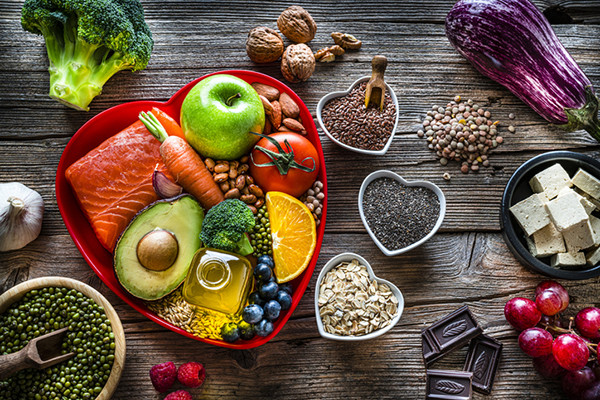
A healthy heart is one of the most important keys to living a long and active life. Your heart works nonstop to pump blood and deliver oxygen throughout your body, so it needs proper nutrition to stay strong. The good news is that a heart-friendly diet can reduce cholesterol, control blood pressure, support healthy circulation, and lower the risk of heart disease.
In this complete diet guide, you will learn the best foods for a healthy heart, what to avoid, and how to build a simple heart-healthy meal plan for daily life.
Why Diet Matters for Heart Health
Food directly impacts the health of your heart and blood vessels. Poor eating habits can lead to:
- High blood pressure (hypertension)
- High cholesterol
- Weight gain and obesity
- Diabetes
- Inflammation in the body
- Blocked arteries (atherosclerosis)
A heart-healthy diet helps reduce these risks and supports better long-term cardiovascular health.
Key Nutrients Your Heart Needs
Before discussing foods, it’s important to understand what nutrients support heart health.
Healthy Fats
Healthy fats improve cholesterol levels and protect arteries.
Best sources include:
- Olive oil
- Nuts and seeds
- Avocados
- Fatty fish
Fiber
Fiber helps reduce bad cholesterol (LDL) and improves digestion.
Best sources include:
- Whole grains
- Beans
- Fruits
- Vegetables
Antioxidants
Antioxidants fight inflammation and protect blood vessels.
Best sources include:
- Berries
- Leafy greens
- Tomatoes
- Dark chocolate (in moderation)
Potassium and Magnesium
These minerals support healthy blood pressure and heart rhythm.
Best sources include:
- Bananas
- Spinach
- Sweet potatoes
- Nuts
Best Foods for a Healthy Heart
Below are the top heart-healthy foods you should include in your daily diet.
Fatty Fish (Rich in Omega-3)
Fatty fish is one of the best foods for heart health because it contains omega-3 fatty acids.
Benefits for the Heart
Omega-3 helps:
- Lower triglycerides
- Reduce inflammation
- Support healthy heart rhythm
- Lower blood pressure slightly
Best Choices
- Salmon
- Sardines
- Tuna
- Mackerel
- Trout
How Often to Eat
Try to eat fatty fish 2 times per week for heart benefits.
Leafy Green Vegetables
Leafy greens are full of vitamins, minerals, and antioxidants.
Why They Are Great for Your Heart
They help:
- Improve blood circulation
- Lower blood pressure
- Reduce inflammation
- Provide fiber for cholesterol control
Best Leafy Greens
- Spinach
- Kale
- Lettuce
- Collard greens
- Mustard greens
Whole Grains
Whole grains are high in fiber and support healthy cholesterol levels.
Heart Benefits
Whole grains help:
- Lower LDL cholesterol
- Control blood sugar
- Support healthy weight
- Improve digestion
Best Whole Grains
- Oats
- Brown rice
- Whole wheat bread
- Quinoa
- Barley
Best Tip
Choose whole grain options instead of white bread, white rice, and refined flour.
Nuts and Seeds
Nuts and seeds provide healthy fats, fiber, and minerals.
Heart Benefits
They help:
- Improve cholesterol levels
- Reduce inflammation
- Support healthy blood vessels
Best Nuts and Seeds
- Almonds
- Walnuts
- Pistachios
- Flaxseeds
- Chia seeds
- Sunflower seeds
Portion Tip
Eat a small handful daily because nuts are calorie-dense.
Berries
Berries are rich in antioxidants that protect the heart.
Benefits for Heart Health
Berries help:
- Reduce oxidative stress
- Improve blood pressure
- Lower inflammation
- Protect blood vessels
Best Choices
- Blueberries
- Strawberries
- Blackberries
- Raspberries
Beans and Lentils
Beans and lentils are excellent sources of plant-based protein and fiber.
Why They Are Heart-Friendly
They help:
- Lower cholesterol
- Improve digestion
- Control blood sugar
- Support healthy weight
Best Options
- Chickpeas
- Kidney beans
- Black beans
- Lentils
- Soybeans
Healthy Oils (Especially Olive Oil)
Olive oil is a key part of the Mediterranean diet, which is known for heart benefits.
Heart Benefits of Olive Oil
Olive oil helps:
- Reduce LDL cholesterol
- Increase HDL cholesterol
- Lower inflammation
- Protect blood vessels
Best Way to Use
- Use olive oil for cooking on low-medium heat
- Add it to salads and vegetables
Avocados
Avocados are rich in monounsaturated fats and potassium.
Benefits for the Heart
Avocados help:
- Improve cholesterol levels
- Lower blood pressure
- Support healthy arteries
Easy Ways to Eat
- Add avocado to salads
- Spread it on whole wheat toast
- Mix into smoothies
Tomatoes
Tomatoes are rich in lycopene, a powerful antioxidant.
Heart Benefits
Tomatoes help:
- Reduce inflammation
- Support healthy blood vessels
- Improve cholesterol levels
Cooked tomatoes (like tomato soup or sauce) can provide even more lycopene.
Dark Chocolate (In Moderation)
Dark chocolate can be heart-friendly when eaten in small amounts.
Benefits
It may help:
- Improve blood flow
- Reduce blood pressure slightly
- Support healthy arteries
Best Choice
Choose dark chocolate with at least 70% cocoa and avoid high-sugar chocolates.
Fruits That Support Heart Health
Fruits provide fiber, vitamins, and antioxidants.
Best Heart-Healthy Fruits
- Apples (high in fiber)
- Oranges (vitamin C and potassium)
- Bananas (potassium for blood pressure)
- Pomegranates (antioxidants for circulation)
- Grapes (heart-protective compounds)
Vegetables That Support Heart Health
Vegetables are essential for heart protection.
Best Heart-Healthy Vegetables
- Broccoli
- Carrots
- Bell peppers
- Sweet potatoes
- Cucumbers
- Garlic
Special Mention: Garlic
Garlic may help lower blood pressure and support cholesterol control when used regularly in cooking.
Low-Fat Dairy or Healthy Alternatives
Dairy can be part of a heart-healthy diet, but it’s best to choose low-fat options.
Better Choices
- Low-fat milk
- Yogurt (unsweetened)
- Low-fat cheese (in small amounts)
If you prefer alternatives:
- Unsweetened almond milk
- Soy milk
Best Drinks for a Healthy Heart
Your beverage choices also affect heart health.
Heart-Healthy Drinks
- Water (best choice)
- Green tea (antioxidants)
- Herbal teas
- Fresh lemon water
Drinks to Limit
- Sugary sodas
- Energy drinks
- Excess coffee
- Packaged juices
Foods to Avoid for Heart Health
To protect your heart, you should reduce or avoid foods that increase cholesterol, blood pressure, and inflammation.
Unhealthy Foods That Harm the Heart
- Fried foods
- Fast food and junk food
- Processed meats (sausages, burgers)
- Sugary snacks and desserts
- White bread and refined flour
- Too much salt (high sodium foods)
- Soft drinks and sugary beverages
Why Salt Is Dangerous
Too much salt increases blood pressure, which increases heart disease risk. Try using herbs and spices instead.
Heart-Healthy Diet Plan (Simple Daily Guide)
Here is an easy heart-friendly meal plan example.
Breakfast
- Oatmeal with berries
- Green tea or water
Mid-Morning Snack
- A handful of almonds or walnuts
- One apple
Lunch
- Brown rice or whole wheat roti
- Lentils (daal) or grilled chicken
- Mixed salad with olive oil dressing
Evening Snack
- Yogurt or fruit
- Herbal tea
Dinner
- Grilled fish or beans
- Steamed vegetables
- Small portion of whole grains
Before Bed (Optional)
- Warm low-fat milk or chamomile tea
Practical Tips for a Heart-Healthy Lifestyle
A good diet works best when combined with healthy habits.
Daily Habits That Support Heart Health
- Walk at least 30 minutes daily
- Maintain a healthy weight
- Control blood pressure and cholesterol
- Avoid smoking
- Reduce stress
- Sleep 7–8 hours daily
Conclusion
Eating the right foods can make a huge difference in heart health. The best foods for a healthy heart include fatty fish, leafy greens, whole grains, nuts, seeds, berries, beans, olive oil, and fruits and vegetables rich in fiber and antioxidants. At the same time, avoiding fried foods, excess sugar, processed meat, and too much salt helps protect the heart from disease. By following a balanced heart-friendly diet and healthy lifestyle, you can improve your energy, reduce heart risks, and enjoy a longer, healthier life.