



Anger is a normal human emotion. Everyone feels angry sometimes—when things go wrong, when someone disrespects you, or when life becomes stressful. But when anger becomes frequent, intense, or uncontrollable, it can damage your relationships, health, and peace of mind.
Anger management is not about “never getting angry.” It is about learning how to control your reactions, express emotions in a healthy way, and protect your mental well-being. This article will explain the causes of anger, warning signs, and effective tips for emotional control.
Understanding Anger and Why It Happens
Anger is often a reaction to stress, frustration, fear, or feeling powerless. Sometimes, anger is not the real emotion—it is a cover for deeper feelings like sadness, anxiety, or insecurity.
Common Reasons People Get Angry
Anger can happen because of:
- Stress and mental pressure
- Lack of sleep or tiredness
- Family conflicts
- Work pressure and deadlines
- Financial problems
- Feeling ignored or disrespected
- Past trauma or emotional pain
- Overthinking and frustration
Is Anger Always Bad?
Anger itself is not bad. It can be useful when it helps you recognize problems and take action. The problem starts when anger becomes:
- Aggressive
- Uncontrolled
- Hurtful to others
- Harmful to your health
Signs You Need Better Anger Control
Many people don’t realize their anger is becoming a serious issue until it affects their life.
Emotional Signs
- Getting irritated quickly
- Feeling angry most of the day
- Becoming impatient easily
- Feeling guilt after anger
- Feeling out of control
Physical Signs
- Fast heartbeat
- High blood pressure
- Headaches
- Sweating
- Tight chest or body tension
Behavioral Signs
- Shouting or yelling
- Saying hurtful words
- Breaking things
- Threatening others
- Becoming violent
- Silent treatment or emotional withdrawal
How Anger Affects Mental and Physical Health
Uncontrolled anger can damage both mental and physical well-being.
Mental Health Effects
Anger can lead to:
- Anxiety and overthinking
- Depression and regret
- Emotional instability
- Low self-control
- Relationship stress
Physical Health Effects
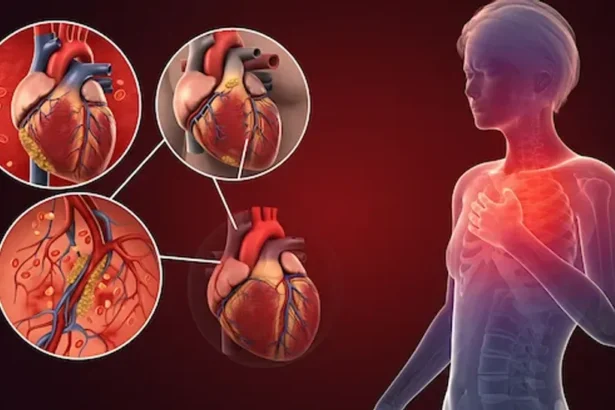
Frequent anger increases:
- Blood pressure
- Heart disease risk
- Headaches and migraines
- Sleep problems
- Digestive issues
Identify Your Anger Triggers
The first step to anger management is understanding what triggers your anger. A trigger is something that makes your anger rise quickly.
Common Anger Triggers
- Being criticized
- Feeling disrespected
- Traffic and delays
- Work pressure
- Family arguments
- Lack of sleep
- Feeling ignored
- Financial stress
Keep a Trigger Journal
To understand your anger better, write down:
- What happened
- Who was involved
- What you felt
- How you reacted
- What you could do differently next time
This helps you become more self-aware and emotionally stronger.
Practice Deep Breathing for Instant Control
Deep breathing is one of the fastest ways to calm anger.
Simple Breathing Technique
Try this when you feel anger rising:
- Inhale slowly through your nose for 4 seconds
- Hold your breath for 3 seconds
- Exhale slowly through your mouth for 6 seconds
- Repeat 5–10 times
This reduces stress hormones and relaxes your body.
Use the “Pause Before Reacting” Rule
Most anger problems happen because people react immediately. Learning to pause gives you control.
How to Pause in a Heated Moment
- Stop talking for a few seconds
- Take a deep breath
- Count to 10 slowly
- Ask yourself: “Will this matter tomorrow?”
- Respond calmly instead of reacting emotionally
This habit can save relationships and prevent regret.
Learn Healthy Ways to Express Anger
Anger becomes harmful when it turns into shouting, violence, or emotional abuse. Healthy expression means communicating without hurting others.
Use “I” Statements Instead of Blaming
Instead of saying:
- “You always make me angry!”
Say:
- “I feel upset when this happens, and I need respect.”
This reduces conflict and improves communication.
Speak Calmly and Clearly
When you express anger:
- Keep your voice low
- Avoid insults
- Focus on the problem
- Suggest solutions
Improve Emotional Control with Daily Habits
Anger is easier to control when your lifestyle is healthy.
Sleep Better to Reduce Anger
Lack of sleep increases irritation. Aim for 7–8 hours daily.
Tips:
- Avoid mobile use before bed
- Reduce caffeine at night
- Sleep at the same time daily
Exercise to Release Anger Naturally
Exercise reduces stress and improves mood.
Best options:
- Walking
- Running
- Gym workouts
- Yoga
- Stretching
Even 20 minutes daily helps.
Eat a Healthy Diet for Mood Balance
Unhealthy food can increase mood swings.
Try to eat:
- Fruits and vegetables
- Whole grains
- Nuts and seeds
- Water and healthy fluids
Avoid:
- Too much sugar
- Excess caffeine
- Fast food
Change Negative Thinking Patterns
Anger often grows because of negative thoughts and assumptions.
Common Negative Thoughts That Increase Anger
- “Nobody respects me.”
- “Everything is against me.”
- “I always fail.”
- “People do this on purpose.”
Replace with Balanced Thinking
Try:
- “Maybe they didn’t mean it.”
- “I can handle this calmly.”
- “This situation will pass.”
This reduces emotional intensity.
Take a Break When Anger Becomes Too Strong
Sometimes the best choice is to step away.
Healthy “Time-Out” Strategy
If you feel you might lose control:
- Walk away for 5–10 minutes
- Drink water
- Take deep breaths
- Return when you feel calm
This prevents damage and regret.
Practice Forgiveness and Letting Go
Holding anger for too long harms your mental peace more than it harms the other person.
Why Forgiveness Helps Mental Health
Forgiveness does not mean you accept bad behavior. It means you release the emotional burden.
Forgiveness helps you:
- Feel lighter mentally
- Reduce stress
- Improve relationships
- Protect inner peace
When to Seek Professional Help
Sometimes anger is connected to deeper mental health issues like trauma, anxiety, or depression.
Signs You Need Professional Support
- Anger causes relationship breakdowns
- You become aggressive or violent
- You regret your actions often
- Anger feels uncontrollable
- You feel stressed and angry daily
A therapist or counselor can help you learn emotional control techniques and heal deeper emotional pain.
Conclusion
Anger is a normal emotion, but controlling it is necessary for a peaceful and successful life. Anger management is about understanding triggers, pausing before reacting, using healthy communication, and improving daily habits like sleep, diet, and exercise. With practice, you can build emotional control, reduce stress, and improve relationships. Remember, real strength is not in reacting with anger—it is in staying calm, wise, and emotionally balanced.