



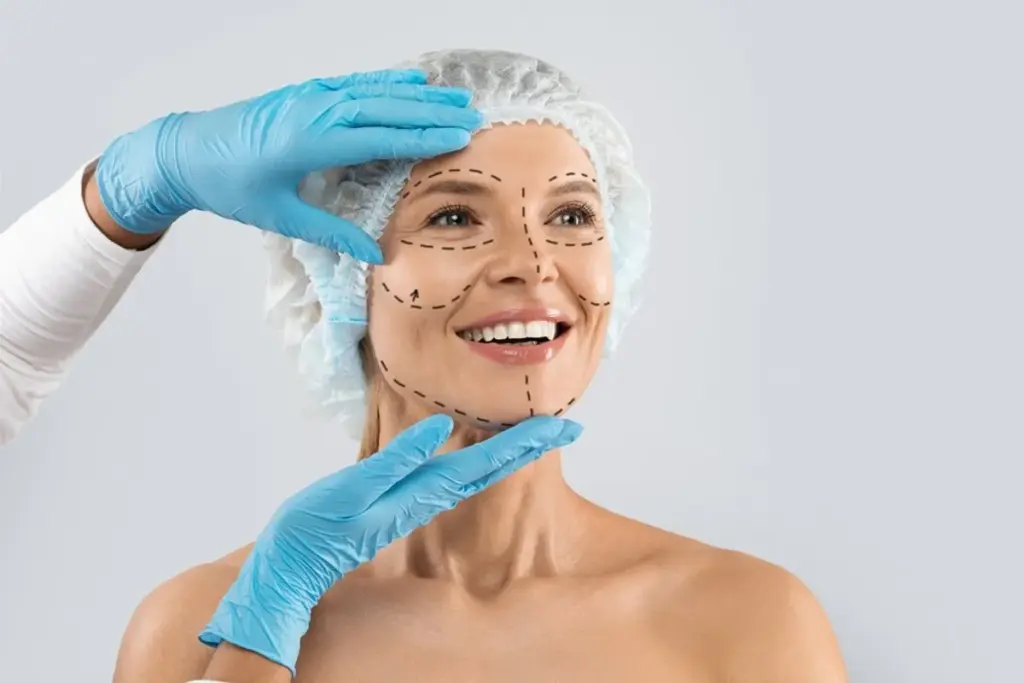
Knowing what to expect during plastic surgery recovery empowers you to be prepared and take a realistic approach. You can quickly identify unusual changes, such as inflammation or blood clots, allowing you to seek timely treatment and reduce the risk of further complications. Here’s what to expect during recovery from plastic surgery.
Pain and Discomfort
During a cosmetic surgical procedure, incisions in the tissue prompt a normal inflammatory response that supports the body’s healing process. Because of the inflammatory response, pain and tenderness develop around the incision sites. Plastic surgery procedures like facelifts, breast augmentations, and liposuctions cut through skin and deeper tissues. This results in nerve irritation that steadily diminishes, often accompanied by mild pain and discomfort during recovery. Procedures such as abdominoplasty often reposition tissues, which can create internal tension or tightness that may feel like soreness as muscles recover.
Numbness or Itching
Body contouring procedures like abdominoplasty and breast augmentation involve cutting, stretching, or temporarily disrupting nerves. This disruption causes temporary numbness as nerves regenerate during recovery. Swelling during healing compresses nearby nerves, disrupting their normal ability to transmit signals and causing numbness or tingling in adjacent areas. Regenerating nerve endings misfire because they heal unevenly, which also causes itching or tingling sensations.
During healing, the skin around the incision sites might become dry and tight. This irritates the nerve endings, which leads to itching. Plastic surgeons administer local or general anesthesia to patients just before the procedure, which can disrupt normal nerve signaling. This means patients may experience short-term numbness right after surgery. Applying a cold compress directly to the incision site can help soothe itching caused by irritated nerves.
Swelling and Bruising
When tissues get cut during body contouring procedures, an inflammatory response occurs. This prompts the body to send fluid and blood cells to the site for repair, leading to swelling. Incisions allow plasma to leak out and accumulate in areas of tissue disruption. The resulting edema or fluid accumulation makes the surgical site appear swollen.
Plastic surgery procedures damage small blood vessels, allowing blood to escape into surrounding tissues. This causes discolored marks or bruises under the skin. Exposure to sun UV rays during recovery can stimulate skin cells at the surgical site, increasing the risk of swelling and visible bruising. Keeping the treated area elevated during recovery encourages proper fluid drainage. This helps lower the risk of swelling and bruise formation.
Avoiding blood thinners and activities like smoking and drinking prevents issues such as excess bleeding and impaired circulation. These issues delay healing and worsen bruising. Compression garments or wraps can help minimize fluid pockets and improve blood circulation during recovery.
Rest and Activity Restrictions
Plastic surgeons typically recommend adequate rest and restrict strenuous activities to allow your body sufficient time to heal. Avoiding overexertion prevents tension on stitches at incision sites, helping protect against scarring and infection. Adequate rest also allows your surgeon to assess healing accurately and adjust treatment appropriately. Your surgeon can restrict:
- Stretching or overhead reaching
- Heavy lifting
- Smoking or alcohol use
- Running
Dietary Adjustments
A plastic surgeon recommends eating a nutritious, balanced diet during recovery to support tissue repair and speed surgical wound healing. Foods rich in anti-inflammatory nutrients, such as omega-3 fatty acids, can help protect your body against excessive swelling after plastic surgery. Staying hydrated promotes effective nutrient circulation to healing tissues and also aids the flushing of toxins, such as anesthesia remnants. Fruits like berries and oranges provide the body with vitamin C, which promotes collagen production and aids skin repair during recovery.
Book a Plastic Surgery Consultation
Recovering from plastic surgery requires you to be patient and comply with expert recommendations from your surgeon. Adhering to aftercare tips speeds up recovery and also helps achieve the expected outcome. Contact a professional plastic surgeon to begin your journey to improve your physical appearance today.
