



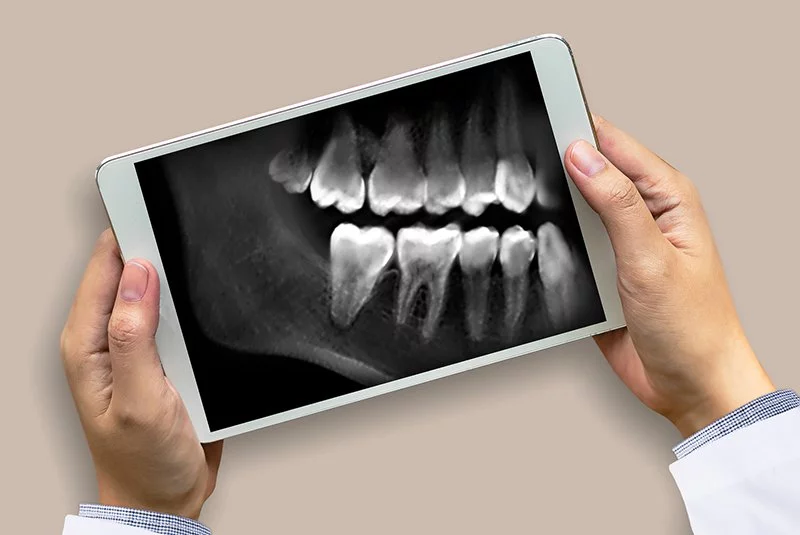
Dental X-rays are one of the most common tools dentists use to check problems that cannot be seen with the naked eye. Many people worry about radiation exposure and often ask the same question: Are dental X-rays safe? The simple answer is yes, dental X-rays are generally safe when done properly and only when needed. Modern dental X-ray technology uses very low levels of radiation, and dentists follow strict safety guidelines to protect patients.
In this article, you will learn what dental X-rays are, why they are needed, how safe they are, what precautions are taken, and when you should or should not get them.
What Are Dental X-Rays?
Dental X-rays (also called dental radiographs) are images of your teeth, jawbone, and surrounding tissues. These images help dentists detect issues that are hidden under the gums or inside the tooth.
Dental X-rays can show:
- cavities between teeth
- tooth infections
- bone loss due to gum disease
- impacted teeth (like wisdom teeth)
- abscesses and cysts
- tooth root problems
- jawbone issues
- dental development in children
Without X-rays, many dental problems may remain undetected until they become painful or serious.
Why Do Dentists Recommend Dental X-Rays?
Dental X-rays are not taken just for routine reasons. Dentists recommend them when necessary to diagnose or monitor oral health problems.
Common reasons include:
- checking cavities that are not visible during examination
- monitoring gum disease and bone health
- evaluating tooth roots and jawbone
- planning treatments like braces, implants, or root canals
- examining injuries after an accident
- checking wisdom teeth position
- monitoring growth and development in children
Dental X-rays allow early detection, which often saves time, money, and pain later.
How Much Radiation Is in Dental X-Rays?
Many people fear radiation, but dental X-rays use very small doses compared to many other medical imaging tests.
Radiation exposure depends on the type of X-ray, but modern equipment has significantly reduced radiation levels. In fact, the radiation from a dental X-ray is often similar to the amount of natural radiation you are exposed to from the environment in a day or two.
Dentists also use digital X-rays today, which typically use less radiation than traditional film X-rays.
Types of Dental X-Rays and Their Purpose
Different X-rays are used depending on what the dentist needs to examine.
Bitewing X-Rays
These show the upper and lower teeth in one area and are mainly used to detect:
- cavities between teeth
- early tooth decay
- bone level changes
Periapical X-Rays
These show the entire tooth, from crown to root, and help detect:
- root infections
- abscesses
- bone damage
Panoramic X-Rays
These provide a full view of the mouth and jaw and are useful for:
- impacted wisdom teeth
- jaw problems
- dental development
Cephalometric X-Rays
These are often used in orthodontics to study jaw alignment and facial structure.
Cone Beam CT (CBCT)
This is a 3D imaging scan used for more complex cases such as:
- dental implants planning
- severe infections
- jaw surgery assessment
CBCT has higher radiation than standard dental X-rays, but it is still considered safe when used only when necessary.
Are Dental X-Rays Safe for Adults?
Yes, dental X-rays are considered safe for adults. The radiation exposure is low, and the benefits of detecting dental problems early are much greater than the risk of small radiation exposure.
However, dentists avoid unnecessary X-rays. A responsible dentist will only recommend them based on:
- your oral health condition
- your risk of cavities
- your symptoms
- your dental history
If you have no symptoms and low risk, you may not need X-rays very often.
Are Dental X-Rays Safe for Children?
Dental X-rays are also safe for children, but dentists are extra careful because children are more sensitive to radiation than adults.
Children may need X-rays to:
- check tooth development
- monitor growth of permanent teeth
- detect cavities early
- guide orthodontic treatment
Dentists use the lowest possible radiation settings for children and only take X-rays when necessary.
Are Dental X-Rays Safe During Pregnancy?
Many pregnant women worry about dental X-rays, and it is a valid concern. Generally, dental X-rays are avoided during pregnancy unless there is an emergency, such as:
- severe tooth infection
- dental trauma
- serious pain requiring urgent diagnosis
If X-rays are needed, dentists use protective measures like lead aprons and thyroid collars to reduce exposure.
It is important to inform your dentist if you are pregnant or think you might be pregnant.
Safety Measures Used During Dental X-Rays
Dentists follow strict safety standards to minimize radiation exposure.
Use of Lead Aprons
Lead aprons help protect your body from radiation exposure.
Thyroid Collar Protection
The thyroid gland is sensitive to radiation, so a thyroid collar is often used to protect it.
Digital X-Ray Technology
Digital X-rays use less radiation than older film-based systems.
Limiting the Number of X-Rays
Dentists only take X-rays when needed, not unnecessarily.
Proper Equipment and Training
Dental clinics follow regulated standards and use properly maintained equipment to ensure safety.
How Often Should You Get Dental X-Rays?
There is no single answer for everyone. The frequency depends on your dental condition and risk level.
You may need more frequent X-rays if you:
- get cavities often
- have gum disease
- have ongoing dental treatments
- experience tooth pain or infection
- have dental implants or braces
If you have healthy teeth and low risk, you may need X-rays less often.
Your dentist will decide the safest schedule based on your individual needs.
Risks of Dental X-Rays
While dental X-rays are safe, no radiation exposure is completely risk-free. The risk is extremely low, but repeated unnecessary exposure should be avoided.
Possible risks include:
- minimal radiation exposure over time
- slightly increased risk with excessive and frequent X-rays
That is why dentists follow the principle of using X-rays only when needed.
Benefits of Dental X-Rays
Dental X-rays provide major benefits that help prevent serious problems.
Key benefits include:
- early cavity detection
- prevention of tooth loss
- diagnosis of infections before they worsen
- improved treatment planning
- monitoring of gum disease and bone loss
- safer and more accurate dental procedures
In many cases, X-rays can prevent severe pain and expensive dental treatments.
How to Make Dental X-Rays Even Safer
You can take a few steps to ensure safe dental imaging:
- tell your dentist about pregnancy or health conditions
- share your past X-ray records if available
- ask if the X-ray is necessary
- choose a clinic that uses digital X-rays
- follow your dentist’s recommended schedule
Conclusion
Dental X-rays are generally safe for adults and children when taken responsibly and only when necessary. Modern dental technology uses very low radiation, and dentists follow strict safety guidelines such as protective aprons, thyroid collars, and digital imaging to reduce exposure. The benefits of dental X-rays—such as detecting cavities, infections, and bone problems early—usually outweigh the minimal risks. If you ever feel unsure, you can always discuss the need and frequency of X-rays with your dentist to ensure the safest care for your oral health.