


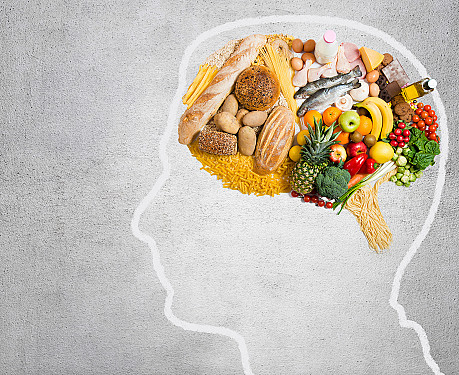
Mental health is not only influenced by stress, emotions, and life situations—it is also strongly connected to what you eat every day. Your brain needs proper nutrients to function well, manage emotions, and maintain balance. A healthy diet can improve mood, reduce anxiety, and support better focus, while an unhealthy diet may increase fatigue, irritability, and mental stress.
In this article, we will explore how diet affects mental health, which foods support a healthy mind, and what eating habits you can follow to feel emotionally stronger.
Understanding the Connection Between Food and the Brain
The brain is one of the most active organs in the body. It controls your emotions, thinking, memory, and energy levels. For all these functions, it needs a constant supply of nutrients.
Why Food Matters for Mental Wellness
Your daily diet affects:
- Brain chemicals (neurotransmitters) like serotonin and dopamine
- Stress hormones like cortisol
- Energy levels and focus
- Sleep quality
- Inflammation in the body
- Gut health (which impacts mood)
A balanced diet supports brain health, while poor eating habits can disturb emotional stability.
How Nutrients Influence Mood and Emotions
Different nutrients play different roles in mental health. When your body lacks essential vitamins, minerals, and healthy fats, it can affect your emotional well-being.
Key Nutrients That Support Mental Health
Omega-3 Fatty Acids
Omega-3 fats support brain structure and help reduce inflammation. They are linked with improved mood and lower depression symptoms.
Best sources:
- Salmon, tuna, sardines
- Flaxseeds and chia seeds
- Walnuts
B Vitamins (Especially B6, B12, Folate)
B vitamins help the brain produce energy and support nervous system function. Low B vitamins are often connected to tiredness, mood swings, and depression.
Best sources:
- Eggs
- Leafy greens
- Beans and lentils
- Whole grains
Magnesium
Magnesium helps calm the nervous system and supports relaxation. Low magnesium levels may increase anxiety and stress.
Best sources:
- Bananas
- Nuts and seeds
- Spinach
- Dark chocolate (in moderation)
Vitamin D
Vitamin D supports brain health and emotional stability. Low vitamin D is often linked to depression and low mood.
Best sources:
- Sunlight exposure
- Fortified milk
- Egg yolk
- Fish
Protein and Amino Acids
Protein provides amino acids that help make neurotransmitters like serotonin and dopamine, which control mood and motivation.
Best sources:
- Chicken, fish
- Eggs
- Yogurt
- Lentils and beans
Gut Health and Mental Health: The Gut-Brain Connection
One of the strongest links between diet and mental health is the gut-brain connection. Your gut contains trillions of bacteria that affect digestion, immunity, and even mood.
How the Gut Affects Your Mood
Your gut produces a large amount of serotonin, which is a chemical linked with happiness and calmness. If gut health is poor, it may lead to:
- Low mood
- Anxiety
- Brain fog
- Irritability
- Poor sleep
Foods That Improve Gut Health
To support healthy gut bacteria, eat:
- Yogurt
- Kefir
- Fermented foods
- Fruits and vegetables
- Whole grains
- High-fiber foods
How Sugar and Junk Food Affect Mental Health
Eating too much sugar and processed food may give temporary pleasure, but it often leads to mental crashes later.
Negative Effects of High Sugar Intake
Too much sugar can cause:
- Mood swings
- Increased anxiety
- Low energy
- Poor focus
- Sleep problems
- Higher inflammation in the body
Processed Foods and Emotional Health
Fast food and processed snacks often contain unhealthy fats, preservatives, and excess salt, which can lead to:
- Feeling lazy and tired
- Increased stress levels
- Higher risk of depression over time
The Role of Hydration in Mental Health
Many people ignore water intake, but dehydration can affect mental health quickly.
Signs Dehydration is Affecting Your Mind
You may feel:
- Headaches
- Low concentration
- Fatigue
- Irritability
- Anxiety-like symptoms
How Much Water is Enough?
A general healthy habit is drinking 6–10 glasses daily, depending on your body and weather conditions.
How Caffeine Impacts Anxiety and Stress
Caffeine can increase alertness, but too much can negatively affect mental health.
Effects of Too Much Caffeine
Excess caffeine may cause:
- Increased heart rate
- Anxiety and nervousness
- Restlessness
- Poor sleep
- Irritability
Healthy Caffeine Habits
- Avoid coffee late at night
- Reduce energy drinks
- Try herbal tea instead
- Keep caffeine in moderation
Best Foods for a Healthy Mind
A “brain-friendly” diet includes natural, nutrient-rich foods.
Top Foods That Support Mental Wellness
Add these foods regularly:
- Leafy greens (spinach, lettuce)
- Fatty fish (salmon, tuna)
- Nuts and seeds (almonds, walnuts)
- Whole grains (brown rice, oats)
- Fruits (bananas, berries, oranges)
- Yogurt and fermented foods
- Dark chocolate (small amounts)
- Herbal teas (chamomile, green tea)
Eating Habits That Improve Mental Health
It’s not just what you eat—it’s also how you eat.
Healthy Eating Habits to Follow
- Eat regular meals, don’t skip breakfast
- Avoid overeating late at night
- Add more home-cooked meals
- Reduce sugary snacks
- Eat slowly and mindfully
- Focus on balanced meals (protein + fiber + healthy fats)
A Simple Balanced Meal Example
A healthy meal should include:
- Protein: eggs, chicken, lentils
- Healthy carbs: brown rice, oats, whole wheat
- Vegetables: salad, spinach, mixed veggies
- Healthy fats: olive oil, nuts, seeds
Diet and Common Mental Health Issues
Your diet may not cure mental health disorders alone, but it can support recovery and reduce symptoms.
Diet and Anxiety
A balanced diet may help reduce anxiety by:
- Stabilizing blood sugar
- Supporting gut health
- Reducing inflammation
- Improving sleep quality
Diet and Depression
Healthy nutrients like omega-3, vitamin D, and B vitamins can support emotional balance and improve mood.
Diet and Stress
Foods rich in magnesium and antioxidants help calm the nervous system and reduce stress effects.
When Diet Alone is Not Enough
Healthy eating is powerful, but mental health is complex. If symptoms are severe, professional support is important.
When to Seek Help
If you experience:
- Long-term sadness
- Panic attacks
- Loss of interest in life
- Severe emotional breakdowns
- Sleep and appetite changes
It is best to talk to a doctor or mental health professional.
Conclusion
The link between diet and mental health is strong and scientifically supported. A healthy, balanced diet can improve mood, reduce stress, and support brain function naturally. By eating nutrient-rich foods, reducing sugar and processed meals, staying hydrated, and supporting gut health, you can build a healthier mind and a more emotionally stable life. Small changes in your daily eating habits can make a big difference over time.