



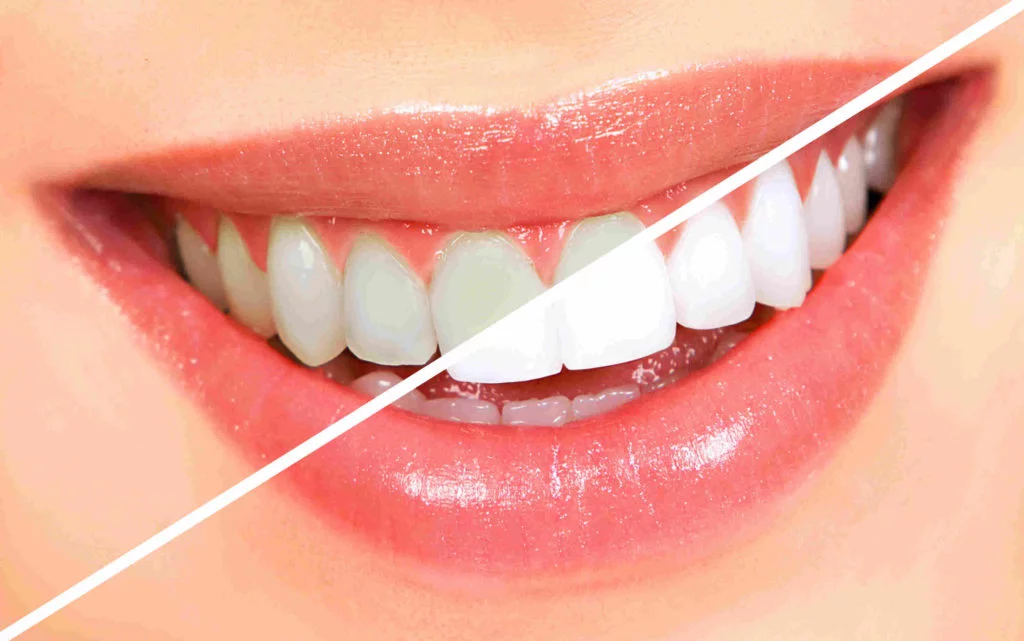
A bright smile can boost confidence and improve your overall appearance. Over time, teeth may lose their natural whiteness because of foods, drinks, smoking, aging, and poor oral care. Teeth whitening is a popular solution, but it should always be done in a safe and healthy way. Using the wrong whitening method or overusing products can cause tooth sensitivity, gum irritation, and enamel damage. This guide explains safe whitening methods, important tips, and how to maintain results for a longer time.
Why Teeth Become Yellow or Stained
Teeth can change color for many reasons. Some stains stay on the surface, while others go deeper into the tooth.
Surface Stains
Surface stains usually happen because of:
- Coffee and tea
- Red wine
- Dark sodas
- Smoking and tobacco use
- Spices and colored foods
- Poor brushing habits
These stains are often easier to remove with whitening products and proper cleaning.
Deep Stains
Deep stains occur inside the tooth and may be caused by:
- Aging (enamel becomes thinner)
- Tooth injury or trauma
- Certain medications
- Excess fluoride exposure
- Genetics
Deep stains may require professional whitening or other cosmetic dental treatments.
How Teeth Whitening Works
Most whitening products contain ingredients like hydrogen peroxide or carbamide peroxide. These chemicals break down stains and make teeth appear lighter. Whitening is different from a regular dental cleaning. Cleaning removes plaque and tartar, while whitening changes the shade of the teeth.
Safe Teeth Whitening Methods
There are many ways to whiten teeth, but not all methods are equally safe. The best option depends on your teeth condition, budget, and desired results.
Professional In-Office Whitening
This method is performed by a dentist using strong whitening gel and protective measures.
Benefits include:
- Fast results in one visit
- Dentist supervision for safety
- Better results for tough stains
- Lower risk of gum irritation
This option is ideal for people who want quick whitening results or have stubborn stains.
Dentist-Supervised Take-Home Kits
Dentists often provide custom trays and professional-grade whitening gel to use at home.
Why this method is safe:
- Custom trays fit perfectly and prevent gel leakage
- Whitening is gradual, reducing sensitivity
- Instructions ensure proper and safe usage
Most people notice results within 1 to 2 weeks.
Over-the-Counter Whitening Products
These products are widely available and affordable, but should be used carefully.
Common options include:
- Whitening strips
- Whitening pens or gels
- Whitening toothpaste
- Whitening mouthwash
These products can help with mild staining, but overuse can cause sensitivity and gum irritation.
Whitening Toothpaste
Whitening toothpaste usually contains mild abrasives that remove surface stains.
Pros:
- Safe for daily use
- Helps reduce surface discoloration
- Easy to maintain brightness
Cons:
- Does not whiten deep stains
- Results appear slowly
For best results, choose a toothpaste that also contains fluoride to protect enamel.
Natural Whitening Options (Safe vs Unsafe)
Some natural habits can support a brighter smile, but harsh home remedies should be avoided.
Safe habits include:
- Brushing twice daily
- Flossing regularly
- Drinking water after meals
- Eating crunchy fruits and vegetables
Avoid unsafe methods such as:
- Lemon or vinegar (highly acidic and damages enamel)
- Charcoal powders (can wear enamel)
- Frequent baking soda use (may cause enamel thinning)
Natural does not always mean safe, so always be cautious.
Important Safety Tips for Teeth Whitening
To whiten teeth safely, follow these important guidelines.
Treat Dental Problems First
If you have cavities, gum disease, or cracked teeth, whitening can make the condition worse. A dental checkup is recommended before whitening.
Do Not Overuse Whitening Products
Using whitening products too often may cause:
- Increased tooth sensitivity
- Gum irritation
- Enamel damage
- Uneven tooth color
Always follow the instructions and take breaks when needed.
Protect Your Gums
Whitening gel should only touch teeth, not gums. To avoid irritation:
- Use only the recommended amount
- Do not leave products on longer than directed
- Rinse your mouth properly after use
Stop immediately if you feel burning or discomfort.
Whitening for Sensitive Teeth
If you have sensitive teeth, whitening may increase pain. To reduce discomfort:
- Choose low-strength whitening products
- Reduce the number of whitening sessions
- Use sensitivity toothpaste
- Ask your dentist for safer options
What to Avoid After Whitening
After whitening, teeth can absorb stains more easily for the next 24 to 48 hours.
Avoid Dark Foods and Drinks
For the first two days, avoid:
- Coffee and tea
- Red wine
- Dark sodas
- Tomato-based sauces
- Soy sauce
- Dark berries
Try eating light-colored foods such as rice, yogurt, eggs, chicken, and bananas.
Avoid Smoking
Smoking stains teeth quickly and reduces whitening results. If you want long-lasting whiteness, avoiding tobacco is very important.
How Long Whitening Results Last
The duration depends on the method used and your daily habits.
Whitening results may last:
- 6 months to 2 years (professional whitening)
- 6 months to 1 year (dentist take-home kits)
- 3 to 6 months (whitening strips)
With proper care, results can last longer.
How to Maintain White Teeth
To keep teeth white after whitening, follow these habits:
Maintain Daily Oral Hygiene
- Brush twice a day
- Floss daily
- Use mouthwash if recommended
Good oral care prevents stains and plaque buildup.
Reduce Staining Drinks
You can reduce stains by:
- Using a straw for cold drinks
- Rinsing with water after coffee or tea
- Limiting sugary and dark beverages
Regular Dental Cleanings
Professional cleanings remove plaque and stains that brushing cannot. Most people should visit the dentist every 6 months.
Whitening Touch-Ups
Instead of whitening too often, do small touch-ups every few months if needed. This keeps teeth bright without causing damage.
Who Should Avoid Teeth Whitening
Teeth whitening may not be suitable for everyone. Avoid whitening if you have:
- Severe sensitivity
- Gum disease
- Untreated cavities
- Crowns, veneers, or fillings in visible areas
Whitening products do not change the color of dental restorations, which can cause uneven results.
Common Side Effects of Whitening
Most side effects are temporary and mild.
Possible side effects include:
- Tooth sensitivity
- Gum irritation
- Uneven whitening
If pain becomes severe or irritation lasts longer, stop whitening and consult a dentist.
Conclusion
Teeth whitening can be a safe and effective way to brighten your smile when done correctly. Professional whitening and dentist-supervised kits are the safest options, while over-the-counter products can work for mild stains if used properly. Avoid harsh DIY remedies that damage enamel, and focus on good oral hygiene to maintain results. With the right approach, you can enjoy whiter teeth and a healthier smile for a long time.