



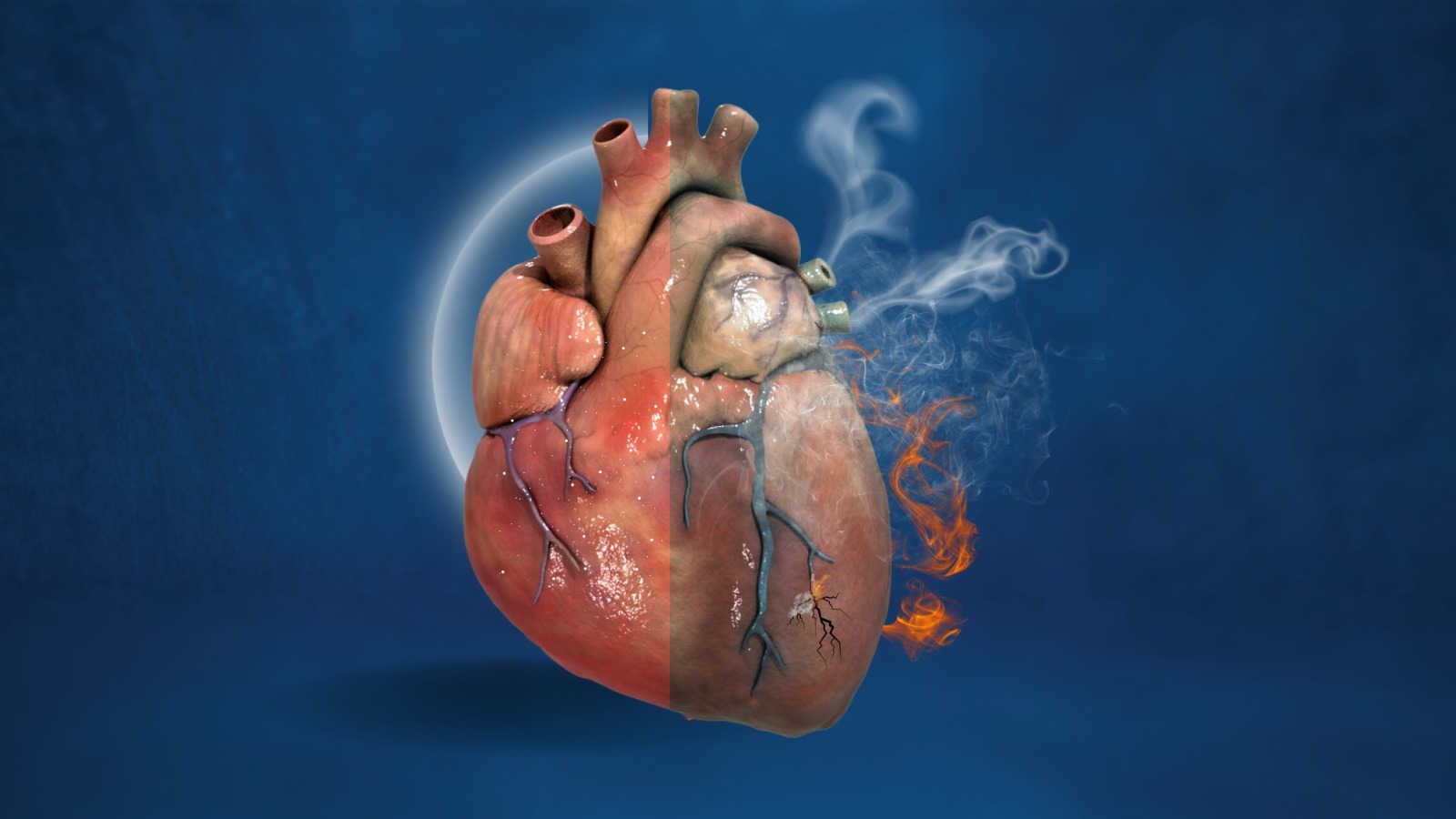
Smoking is one of the biggest and most preventable causes of heart disease worldwide. Many people think smoking only damages the lungs, but in reality, it directly harms the heart and blood vessels. Even a few cigarettes a day can increase your risk of heart attack, stroke, high blood pressure, and long-term cardiovascular complications.
In this detailed article, we will explain how smoking damages your heart, the major health effects, warning signs, and the benefits of quitting.
Why Smoking Is Dangerous for Heart Health
Smoking affects the cardiovascular system in multiple ways. The harmful chemicals in cigarette smoke damage blood vessels, reduce oxygen in the blood, and force the heart to work harder than normal.
What’s Inside Cigarette Smoke?
Cigarette smoke contains thousands of toxic chemicals, including:
- Nicotine (addictive chemical that raises heart rate and blood pressure)
- Carbon monoxide (reduces oxygen in the blood)
- Tar (damages blood vessels and organs)
- Oxidizing chemicals (cause inflammation and artery damage)
These substances trigger long-term damage that increases the risk of serious heart problems.
How Smoking Damages Your Heart: Major Health Effects
Smoking harms the heart in both short-term and long-term ways. Below are the most important effects.
Smoking Raises Blood Pressure and Heart Rate
Nicotine is a stimulant that makes the heart work harder.
How It Happens
When nicotine enters the body:
- Blood vessels narrow (vasoconstriction)
- Heart rate increases
- Blood pressure rises
- Stress hormones (like adrenaline) increase
Why This Is Dangerous
High blood pressure over time can lead to:
- Heart failure
- Stroke
- Kidney damage
- Increased risk of heart attack
Even temporary spikes in blood pressure can be harmful, especially in people with existing heart conditions.
Smoking Damages Blood Vessels (Artery Damage)
One of the most dangerous effects of smoking is how it harms the inner lining of arteries.
What Smoking Does to Arteries
Smoking causes:
- Inflammation inside blood vessels
- Damage to the artery lining (endothelium)
- Reduced flexibility of arteries
- Narrowing of blood vessels over time
Result: Reduced Blood Flow
When arteries become narrow and stiff, blood cannot flow properly. This increases the risk of:
- Chest pain (angina)
- Heart attack
- Poor circulation
Smoking Increases Cholesterol Problems
Smoking negatively affects cholesterol levels, which plays a major role in heart disease.
Effects on Cholesterol
Smoking can:
- Increase bad cholesterol (LDL)
- Reduce good cholesterol (HDL)
- Increase triglycerides
Why It Matters
LDL cholesterol builds up in arteries and forms plaque, leading to blocked arteries and coronary artery disease.
Smoking Causes Plaque Buildup (Atherosclerosis)
Atherosclerosis is the buildup of fatty plaque inside arteries. Smoking speeds up this process.
How Smoking Accelerates Atherosclerosis
Smoking leads to:
- Higher inflammation
- More LDL oxidation (making plaque worse)
- Faster plaque formation
- Increased risk of plaque rupture
Plaque Rupture Can Cause a Heart Attack
If plaque breaks open, it can form a blood clot and suddenly block the artery, leading to a heart attack.
Smoking Increases the Risk of Blood Clots
Smoking makes blood thicker and more likely to clot.
Why Blood Clots Are Dangerous
Blood clots can block arteries and cause:
- Heart attack
- Stroke
- Pulmonary embolism (clot in lungs)
Smoking and Platelets
Smoking increases platelet stickiness, meaning blood cells clump together more easily, raising the risk of clot formation.
Smoking Reduces Oxygen Supply to the Heart
Carbon monoxide from smoke reduces oxygen levels in the blood.
How This Harms the Heart
When oxygen is reduced:
- The heart must pump harder to deliver oxygen
- The heart muscle may become weak
- The risk of chest pain and heart attack increases
This is especially dangerous for people with blocked arteries because the heart already struggles to get enough oxygen.
Smoking Leads to Coronary Artery Disease (CAD)
Coronary artery disease happens when arteries supplying blood to the heart become narrow or blocked.
How Smoking Contributes to CAD
Smoking increases:
- Artery damage
- Plaque buildup
- Blood clot risk
- High blood pressure
CAD is the main cause of heart attacks and is strongly linked to smoking.
Smoking Increases the Risk of Heart Attack
A heart attack occurs when blood flow to the heart muscle suddenly stops.
Why Smokers Have Higher Heart Attack Risk
Smoking increases the risk of heart attack by:
- Narrowing arteries
- Increasing plaque buildup
- Triggering blood clots
- Reducing oxygen supply
Even young smokers can have heart attacks due to severe artery damage.
Smoking Raises the Risk of Stroke
Stroke happens when blood flow to the brain is blocked or a blood vessel bursts.
Smoking and Stroke Risk
Smoking can cause stroke because it:
- Increases blood pressure
- Causes blood clots
- Damages blood vessels
- Speeds up plaque formation
Stroke can lead to permanent disability, speech problems, paralysis, and even death.
Smoking Can Cause Heart Failure
Heart failure does not mean the heart stops completely. It means the heart becomes too weak to pump blood effectively.
How Smoking Leads to Heart Failure
Smoking increases heart failure risk by:
- Weakening heart muscle over time
- Causing coronary artery disease
- Increasing blood pressure
- Reducing oxygen supply
Heart failure symptoms can worsen quickly if smoking continues.
Smoking and Irregular Heartbeat (Arrhythmia)
Smoking can disturb the heart’s rhythm and cause irregular heartbeat.
Common Smoking-Related Heart Rhythm Issues
Smoking may increase the risk of:
- Palpitations
- Atrial fibrillation (AFib)
- Tachycardia (fast heartbeat)
Arrhythmias can be mild, but some can become life-threatening.
Passive Smoking (Secondhand Smoke) Also Damages the Heart
Secondhand smoke is also harmful. Even if you don’t smoke, being around smokers can increase heart disease risk.
Effects of Passive Smoking
Secondhand smoke can cause:
- High blood pressure
- Artery damage
- Increased clot risk
- Higher chance of heart attack and stroke
Children and pregnant women are especially at risk.
Early Warning Signs Smoking Is Affecting Your Heart
Many people ignore early symptoms, thinking they are normal tiredness or stress.
Common Warning Signs
If you smoke and experience any of these, you should see a doctor:
- Chest pain or tightness
- Shortness of breath
- Unusual fatigue
- Dizziness
- Fast heartbeat or palpitations
- Swelling in feet or ankles
- Pain in arms, neck, jaw, or back
Benefits of Quitting Smoking for Heart Health
The good news is that quitting smoking improves heart health quickly and reduces risks over time.
What Happens After You Quit Smoking?
Here are some benefits:
Within 20 Minutes
- Heart rate and blood pressure begin to drop
Within 24 Hours
- Risk of heart attack starts decreasing
Within a Few Weeks
- Circulation improves
- Breathing becomes easier
- Blood pressure becomes more stable
Within 1 Year
- Risk of coronary heart disease becomes much lower
Within 5–10 Years
- Stroke risk can drop significantly
- Heart disease risk continues to reduce
Quitting is one of the best gifts you can give your heart.
Tips to Quit Smoking Successfully
Quitting is difficult, but it is possible with the right strategy.
Practical Ways to Quit
- Set a quit date
- Avoid triggers (stress, tea/coffee with cigarettes)
- Replace smoking with healthy habits (walking, chewing gum)
- Stay hydrated
- Get support from family and friends
- Consider nicotine replacement (patches, gum)
- Consult a doctor for stop-smoking medications if needed
How to Protect Your Heart After Quitting
Quitting smoking is the first step, but heart protection also needs lifestyle improvements.
Heart-Healthy Habits
- Eat more fruits, vegetables, and whole grains
- Reduce oily and processed foods
- Exercise 30 minutes daily
- Control blood pressure and cholesterol
- Maintain a healthy weight
- Sleep 7–8 hours daily
- Manage stress through relaxation and prayer/meditation
Conclusion
Smoking damages the heart in many serious ways. It increases blood pressure, harms blood vessels, reduces oxygen in the blood, raises the risk of blood clots, and speeds up artery blockage. As a result, smokers have a much higher risk of coronary artery disease, heart attack, stroke, arrhythmias, and heart failure. The best way to protect your heart is to quit smoking as soon as possible. The body begins healing quickly after quitting, and long-term heart risks drop significantly with time. Taking action today can help you live a longer, healthier, and stronger life.