



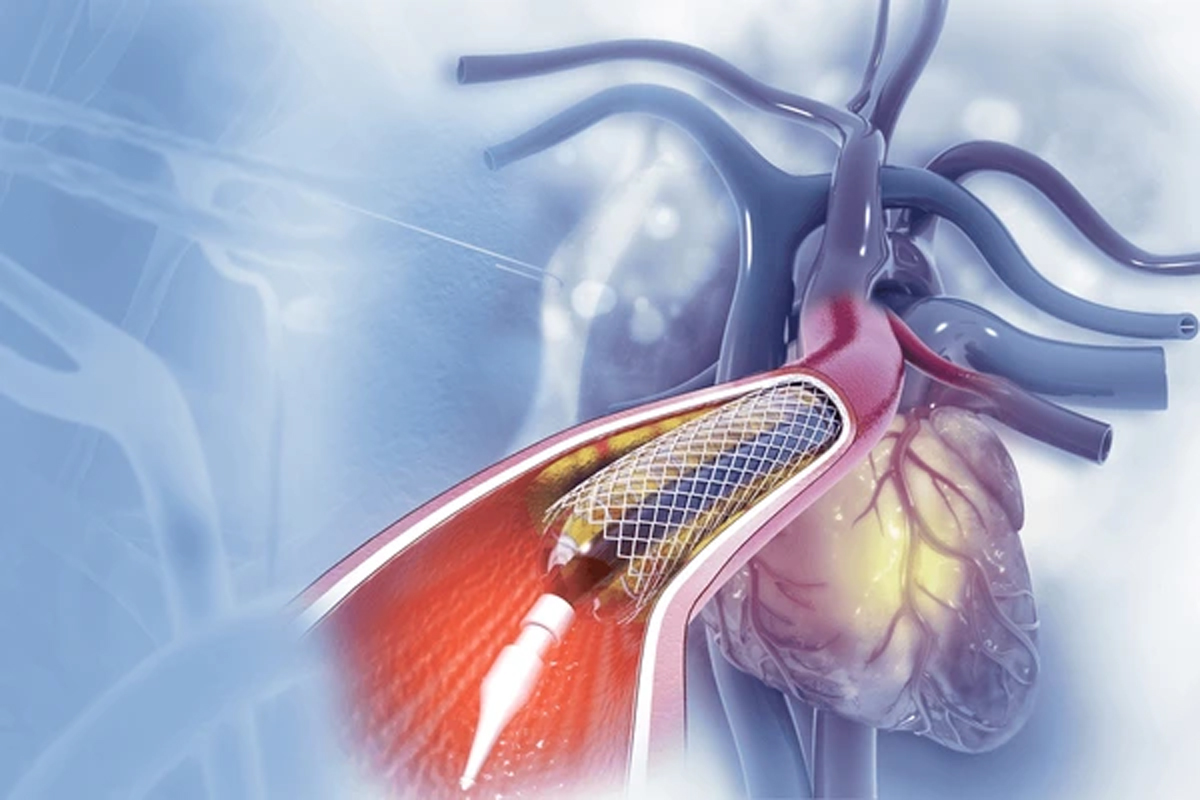
Heart surgery is a medical procedure performed to treat serious heart problems such as blocked arteries, damaged heart valves, irregular heartbeats, or heart failure. Many people feel scared when they hear the word “heart surgery,” but modern cardiology has advanced a lot. Today, there are multiple treatment options available, including open-heart surgeries and minimally invasive procedures like stents.
In this detailed guide, we will cover the most common heart surgery types, including bypass surgery, stent procedures, valve repair/replacement, pacemakers, and more, along with recovery and important precautions.
Why Heart Surgery Is Needed
Heart surgery is usually recommended when medicines and lifestyle changes are not enough to control the condition. The main goal is to improve blood flow, repair heart structures, and reduce the risk of life-threatening complications.
Common Reasons for Heart Surgery
Heart surgery may be needed for conditions such as:
- Coronary artery disease (CAD)
- Blocked arteries due to plaque buildup
- Heart valve disease
- Heart rhythm disorders (arrhythmias)
- Congenital heart defects (birth defects)
- Heart failure
- Aneurysm (bulging blood vessel)
Coronary Artery Disease and Blocked Arteries: The Main Cause
One of the most common reasons for heart surgery is blockage in the coronary arteries. These arteries supply oxygen-rich blood to the heart muscle.
How Blockages Form
Blocked arteries usually happen due to:
- High cholesterol
- High blood pressure
- Smoking
- Diabetes
- Obesity
- Lack of exercise
- Family history
When arteries narrow, the heart does not get enough oxygen. This can cause chest pain (angina), shortness of breath, and heart attacks.
Heart Surgery Types: Bypass, Stent, and More
There are many types of heart surgeries. Some are major open-heart operations, while others are minimally invasive.
Coronary Artery Bypass Graft Surgery (CABG)
Bypass surgery is one of the most well-known heart surgeries. It is used when coronary arteries are severely blocked and blood cannot flow properly to the heart.
What Is Bypass Surgery?
Bypass surgery creates a new path for blood flow by using a healthy blood vessel from another part of the body.
The surgeon may take a vessel from:
- Leg (saphenous vein)
- Chest (internal mammary artery)
- Arm (radial artery)
How Bypass Surgery Works
In bypass surgery, the surgeon attaches the graft above and below the blocked artery area. This allows blood to flow around the blockage.
Types of Bypass Surgery
Bypass surgery can be:
Single Bypass
Only one artery is bypassed.
Double Bypass
Two blocked arteries are bypassed.
Triple Bypass
Three blocked arteries are bypassed.
Quadruple Bypass
Four blocked arteries are bypassed.
When Is Bypass Surgery Recommended?
Doctors may suggest bypass surgery if:
- Multiple arteries are blocked
- Blockage is severe
- Stent is not possible or not safe
- Patient has diabetes with advanced CAD
- There is a high risk of heart attack
Recovery After Bypass Surgery
Recovery usually includes:
- Hospital stay of 5–7 days
- Full recovery in 6–12 weeks
- Cardiac rehabilitation for better healing
Stent Procedure (Angioplasty and Stenting)
A stent is a small mesh tube used to open blocked arteries. This procedure is less invasive than bypass surgery and is performed through a catheter.
What Is Angioplasty?
Angioplasty is a procedure where a balloon is inserted into the blocked artery and inflated to widen it.
What Is a Stent?
A stent is placed in the artery to keep it open after angioplasty.
Types of Stents
There are different stent types:
Bare-Metal Stent (BMS)
- Simple metal stent
- Higher chance of re-narrowing compared to modern stents
Drug-Eluting Stent (DES)
- Releases medicine to prevent re-blockage
- Most commonly used today
When Is a Stent Recommended?
Stents are recommended when:
- Blockage is limited to one or two arteries
- Arteries are not severely damaged
- Patient needs quick recovery
- Emergency heart attack treatment is required
Recovery After Stent Procedure
Recovery is usually faster:
- Hospital stay: 1–2 days
- Normal activities: within 1 week
- Long-term: patient must take blood-thinning medicine
Bypass vs Stent: Which Is Better?
Both bypass and stents are effective, but the best option depends on the patient’s condition.
Key Differences Between Bypass and Stent
| Feature | Bypass Surgery (CABG) | Stent Procedure |
|---|---|---|
| Type | Major surgery | Minimally invasive |
| Best for | Multiple severe blockages | Mild to moderate blockages |
| Recovery | 6–12 weeks | Few days to 1 week |
| Hospital stay | 5–7 days | 1–2 days |
| Long-term success | Very strong in severe CAD | Effective but may need repeat procedure |
Your cardiologist decides the best method after tests like angiography, ECG, and echocardiogram.
Heart Valve Surgery
Heart valves control blood flow inside the heart. If a valve becomes weak, narrow, or leaky, it may need repair or replacement.
Common Valve Problems
Valve disease usually includes:
- Valve stenosis (valve becomes narrow)
- Valve regurgitation (valve leaks blood backward)
Types of Heart Valve Surgery
Valve Repair
Valve repair is preferred when possible because it keeps the natural valve. It may include reshaping or strengthening the valve.
Valve Replacement
If repair is not possible, the valve is replaced.
Types of Replacement Valves
Mechanical Valve
- Very durable and long-lasting
- Requires lifelong blood thinner medicine
Biological (Tissue) Valve
- Made from animal or human tissue
- Does not always require lifelong blood thinners
- May wear out after 10–20 years
Minimally Invasive Valve Procedures
Some valve replacements can be done without open-heart surgery, such as:
- TAVR (Transcatheter Aortic Valve Replacement)
This is commonly used for high-risk patients.
Pacemaker Surgery
A pacemaker is a small device implanted under the skin to control abnormal heart rhythms.
Why Pacemakers Are Needed
Pacemakers are used when the heart beats too slowly or irregularly, such as:
- Bradycardia (slow heartbeat)
- Heart block
- Certain arrhythmias
How Pacemaker Surgery Is Done
- A small incision is made near the chest
- Wires are connected to the heart
- Device is placed under the skin
Recovery After Pacemaker Implant
- Hospital stay: 1 day
- Avoid heavy lifting for a few weeks
- Regular follow-ups are required
Implantable Cardioverter Defibrillator (ICD)
An ICD is similar to a pacemaker but is designed to prevent sudden cardiac death.
What Does an ICD Do?
If the heart rhythm becomes dangerously fast, the ICD delivers an electric shock to restore normal rhythm.
Who Needs an ICD?
ICD is recommended for patients with:
- Severe heart failure
- History of dangerous arrhythmias
- High risk of sudden cardiac arrest
Heart Rhythm Surgery (Ablation Procedure)
Ablation is a procedure used to treat abnormal electrical signals in the heart.
What Is Catheter Ablation?
A catheter is inserted into the heart, and heat or cold energy is used to destroy the abnormal tissue causing arrhythmia.
Common Conditions Treated with Ablation
- Atrial fibrillation (AFib)
- Supraventricular tachycardia (SVT)
- Ventricular tachycardia
Ablation is usually minimally invasive and has a short recovery time.
Heart Transplant Surgery
A heart transplant is performed when the heart becomes too weak to function properly and other treatments fail.
When Is a Heart Transplant Needed?
It is recommended in severe cases such as:
- End-stage heart failure
- Severe cardiomyopathy
- Heart damage that cannot be repaired
Recovery After Heart Transplant
Recovery includes:
- Long-term hospital monitoring
- Lifelong medicines to prevent rejection
- Regular checkups and lifestyle changes
Minimally Invasive Heart Surgery
Not all heart surgeries require a large chest cut. Many modern surgeries are now performed through small incisions.
Benefits of Minimally Invasive Surgery
- Less pain
- Smaller scars
- Faster recovery
- Lower infection risk
- Shorter hospital stay
Common Minimally Invasive Heart Procedures
- Stent placement
- Catheter-based valve replacement (TAVR)
- Certain valve repairs
- Ablation procedures
Tests Done Before Heart Surgery
Before surgery, doctors perform tests to confirm the problem and plan treatment.
Common Pre-Surgery Tests
- ECG (Electrocardiogram)
- Echocardiogram
- Stress test
- Angiography (cardiac catheterization)
- Blood tests
- Chest X-ray or CT scan
Risks and Complications of Heart Surgery
Every procedure has risks, but complications depend on age, health, and surgery type.
Possible Risks
- Infection
- Bleeding
- Blood clots
- Stroke
- Irregular heartbeat
- Kidney problems
- Breathing issues
- Re-blockage in arteries
Doctors reduce risks through careful monitoring and modern techniques.
Life After Heart Surgery: Important Lifestyle Changes
Heart surgery is not the end of treatment. Long-term success depends on lifestyle changes and regular follow-ups.
Healthy Habits After Surgery
- Eat a heart-healthy diet
- Avoid smoking and alcohol
- Control cholesterol and blood pressure
- Exercise regularly (as recommended)
- Manage stress
- Take medicines on time
- Attend cardiac rehabilitation
Conclusion
Heart surgery has become safer and more advanced than ever before. From major procedures like bypass surgery (CABG) to minimally invasive treatments like stents, pacemakers, valve replacement, and ablation, there are many options available depending on the patient’s condition. The best heart surgery type is chosen based on the severity of the disease, age, and overall health. With proper medical care, recovery support, and lifestyle changes, most patients can return to a healthier and active life after heart surgery.