


Your heart is one of the most important organs in your body. It works 24/7 to pump blood, deliver oxygen, and keep every part of your body functioning properly. A strong and healthy heart helps you stay active, energetic, and protected from serious problems like heart attacks, strokes, and high blood pressure.
In this article, you will learn the heart health basics, the most common heart disease risk factors, and simple daily habits to keep your heart strong for life.
Why Heart Health Is Important
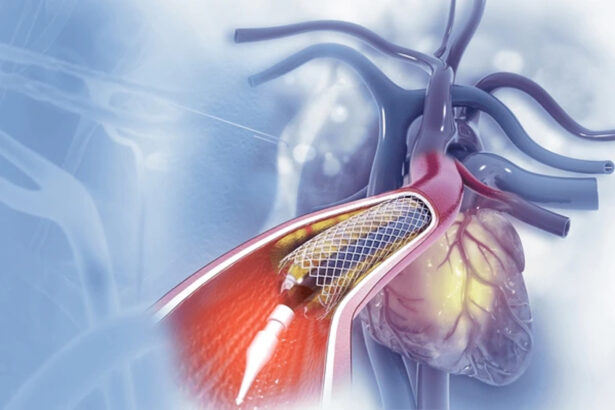
Heart health matters because the heart controls blood circulation throughout the body. When the heart becomes weak or the blood vessels get blocked, it can lead to dangerous complications.
Common Heart Problems
Some of the most common heart-related conditions include:
- Coronary artery disease (blocked arteries)
- High blood pressure (hypertension)
- High cholesterol
- Heart attack
- Stroke
- Heart failure
- Irregular heartbeat (arrhythmia)
Many of these conditions develop slowly, and early prevention is the best approach.
How Your Heart Works (Simple Explanation)
Your heart is a muscle that pumps blood through your body. It has four chambers:
- Two upper chambers (atria)
- Two lower chambers (ventricles)
What the Heart Does Every Day
Your heart:
- Pumps oxygen-rich blood to organs and muscles
- Removes waste like carbon dioxide
- Helps control blood pressure
- Supports energy and endurance
A healthy heart pumps efficiently, while an unhealthy heart struggles to meet the body’s needs.
Major Risk Factors That Damage Heart Health
Heart disease can happen due to many factors. Some risks cannot be changed, but many can be controlled with lifestyle changes.
Risk Factors You Cannot Change
These include:
- Age (risk increases with time)
- Family history of heart disease
- Genetic conditions
Risk Factors You Can Control
These include:
- High blood pressure
- High cholesterol
- Smoking
- Diabetes
- Obesity
- Poor diet
- Lack of physical activity
- Stress
- Poor sleep
Improving these factors can significantly reduce your risk of heart disease.
Heart Health Basics: Best Habits to Keep Your Heart Strong
The best way to protect your heart is by building a healthy routine. Small changes done consistently can create big long-term benefits.
Eat a Heart-Healthy Diet
Food has a direct impact on cholesterol, blood pressure, and body weight.
Best Foods for a Strong Heart
Try adding these foods regularly:
- Leafy greens (spinach, kale)
- Fruits (apples, berries, oranges)
- Whole grains (oats, brown rice)
- Healthy fats (olive oil, nuts, avocado)
- Fatty fish (salmon, tuna)
- Beans and lentils
Foods to Avoid or Limit
To protect your heart, reduce:
- Fried foods
- Fast food and processed snacks
- Sugary drinks and desserts
- Processed meats (sausages, burgers)
- Too much salt
Exercise Regularly for Heart Strength
Physical activity makes the heart muscle stronger and improves circulation.
Best Exercises for Heart Health
Good options include:
- Brisk walking
- Jogging
- Cycling
- Swimming
- Skipping rope
- Light strength training
How Much Exercise Is Enough?
A good goal is:
- 30 minutes per day, 5 days a week
or - 150 minutes per week of moderate exercise
Even walking daily can improve heart function.
Maintain a Healthy Weight
Extra weight increases stress on the heart and raises the risk of high blood pressure and diabetes.
Why Weight Matters
Being overweight can cause:
- Higher cholesterol
- Higher blood pressure
- Increased inflammation
- Higher heart attack risk
Simple Weight Control Tips
- Eat smaller portions
- Avoid sugary drinks
- Choose home-cooked meals
- Stay active daily
Control Blood Pressure and Cholesterol
High blood pressure and high cholesterol are two silent dangers for the heart.
Why High Blood Pressure Is Dangerous
It forces the heart to work harder and can lead to:
- Heart failure
- Stroke
- Kidney damage
How to Control Blood Pressure Naturally
- Reduce salt intake
- Exercise regularly
- Manage stress
- Eat potassium-rich foods
- Avoid smoking
How to Control Cholesterol
- Eat more fiber-rich foods
- Avoid trans fats
- Choose healthy oils
- Limit fried and processed foods
Quit Smoking and Avoid Secondhand Smoke
Smoking is one of the biggest causes of heart disease.
How Smoking Weakens the Heart
Smoking:
- Damages blood vessels
- Increases blood pressure
- Raises clot risk
- Reduces oxygen supply
- Increases heart attack risk
Quitting smoking improves heart health quickly and reduces long-term risks.
Manage Stress for Better Heart Health
Stress can increase blood pressure and lead to unhealthy habits like overeating and smoking.
How Stress Affects the Heart
Long-term stress may cause:
- High blood pressure
- Increased heart rate
- Hormonal imbalance
- Poor sleep
Simple Stress Management Tips
- Deep breathing exercises
- Prayer or meditation
- Walking daily
- Talking to family and friends
- Taking short breaks from screens
Get Enough Sleep Every Night
Sleep is essential for heart recovery and hormone balance.
How Poor Sleep Damages the Heart
Lack of sleep can increase:
- Blood pressure
- Weight gain
- Diabetes risk
- Stress levels
Best Sleep Goal
Try to sleep:
- 7–8 hours daily
Drink Water and Stay Hydrated
Water supports circulation and helps the heart pump efficiently.
Healthy Drink Choices
- Water
- Herbal teas
- Fresh lemon water
Drinks to Avoid
- Sugary sodas
- Energy drinks
- Too much coffee
Regular Heart Checkups and Screening
Many heart problems develop silently, so regular checkups are important.
Important Heart Tests
Your doctor may recommend:
- Blood pressure check
- Cholesterol test (lipid profile)
- Blood sugar test
- ECG (electrocardiogram)
- Echocardiogram (if needed)
Who Should Get Regular Checkups?
You should get regular checkups if you:
- Are over 35–40 years old
- Have diabetes or high blood pressure
- Have family history of heart disease
- Smoke or are overweight
Warning Signs You Should Not Ignore
Some symptoms may indicate a heart problem and need medical attention.
Common Heart Warning Signs
Seek medical help if you experience:
- Chest pain or pressure
- Shortness of breath
- Dizziness or fainting
- Pain in the arm, jaw, neck, or back
- Unusual fatigue
- Irregular heartbeat or palpitations
- Swelling in feet or ankles
Early treatment can prevent serious complications.
Daily Heart-Healthy Routine (Simple Checklist)
Here is a simple routine to keep your heart strong:
Morning
- Drink water
- Light walk or stretching
- Healthy breakfast (oats, eggs, fruit)
Daytime
- Eat balanced meals
- Avoid oily snacks
- Stay active and avoid sitting too long
Evening
- 20–30 minutes walk
- Light dinner
- Reduce stress and screen time
Night
- Sleep 7–8 hours
- Avoid heavy food before bedtime
Conclusion
Heart health is not something you improve in one day, but it becomes stronger with consistent habits. Eating a balanced diet, exercising regularly, maintaining a healthy weight, controlling blood pressure and cholesterol, quitting smoking, managing stress, and getting proper sleep are the most important basics to keep your heart strong. Regular checkups and early awareness of warning signs can also protect you from serious heart disease. By taking small daily steps, you can build a healthier heart and live a longer, more active life.