


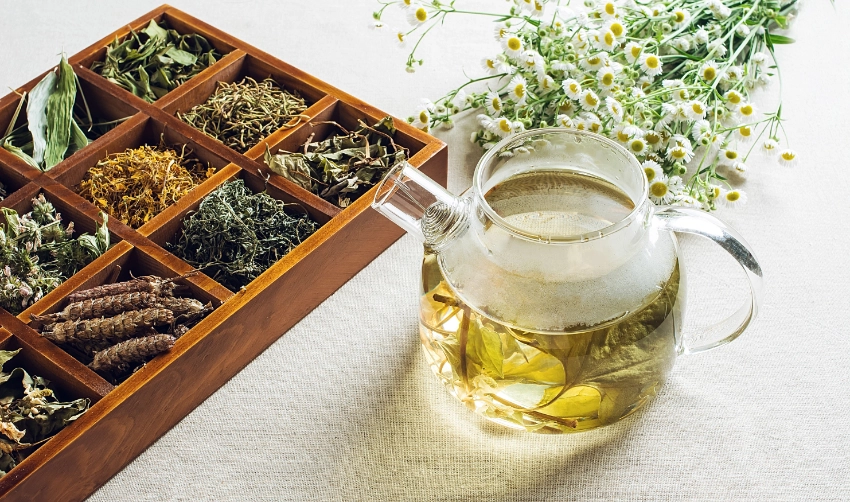
Herbal infusions are a traditional preparation method still widely used in modern apothecary and skincare products. When plant material is soaked in oil or water, some of its natural compounds move into the liquid, adding color, scent, and botanical qualities. Whether you’re making soap or a bath bomb, this infusion step helps shape what the final product contains. Here’s more information on the role of herbal infusions in apothecary products:
Understanding Herbal Infusions
An herbal infusion is made by soaking plant material in a carrier such as oil or water so that some of its natural compounds move into the liquid. Oil-based infusions tend to draw out fat-soluble plant compounds, while water-based aromatic products, known as hydrosols, are produced through steam distillation and carry water-soluble components. Because different plant compounds dissolve in different ways, oils are often used for balms and butters; water-based ingredients are more common in serums and other liquid formulations. The type of apothecary products you’re making will help determine which extraction method makes the most sense.
Choosing Botanical Ingredients
Your choice of botanical determines the formulation’s scent, color, texture, and potency. Dried flowers like lavender and rose buds tend to work well in soap bases and bath teas. Cut-and-sifted leaves, such as peppermint, dissolve more readily into oils. Whole herbs tend to extract more slowly, while powdered herbs like hibiscus or turmeric usually infuse more quickly and produce stronger color in the base.
Roots tend to extract differently than leaves and flowers. Materials like dandelion and burdock root are denser, so they often take longer to infuse in oil or water. Cold infusions can be slower with tougher plant parts like roots, while gentle heat is sometimes used to help extraction move more efficiently.
Plant selection isn’t limited to leaves and flowers. Seeds, bark, and sea-derived ingredients are also used, each contributing different color, scent, and texture to the final base. With many botanical options available, you are able to adjust ingredients depending on the type of formulation you’re making.
Working With Carrier Oils
Carrier oils shape the final feel, stability, and behavior of an infusion. Lightweight oils like sweet almond absorb easily and leave a light finish, which suits facial formulations. Heavier oils such as avocado create a richer texture and work well in body butters and more intensive skin treatments.
Jojoba is a liquid wax with a long shelf life compared to many plant oils, making it useful for stable formulations. Fractionated coconut oil remains liquid at room temperature, which makes it easy to work with during infusion and blending. Grapeseed and sunflower oils provide neutral scent and color, allowing botanical notes to stand out without interference. Hydrosols serve as the water-based option when a formulation calls for water-soluble plant components instead of oil-based ones.
Turning Herbal Infusions Into Products
Finished herbal infusions work across a wide range of apothecary products. In cold process soap, an herb-infused oil replaces part of the standard base oils. Bath bombs can include botanical powders such as spirulina or beet root for both color and plant-based content. Lip balm bases incorporate infused carrier oils as part of their oil phase. Lotions, serums, and creams use oil-based infusions in the oil phase and hydrosols in the water phase.
Get Started With Apothecary Products
The quality of an herbal infusion often depends on factors such as botanical preparation, oil selection, and storage conditions. Many apothecary formulations use infused oils as one component within a broader ingredient system rather than as a standalone solution. Explore botanical ingredients and formulation supplies from a reputable supplier to support your next apothecary project.
