



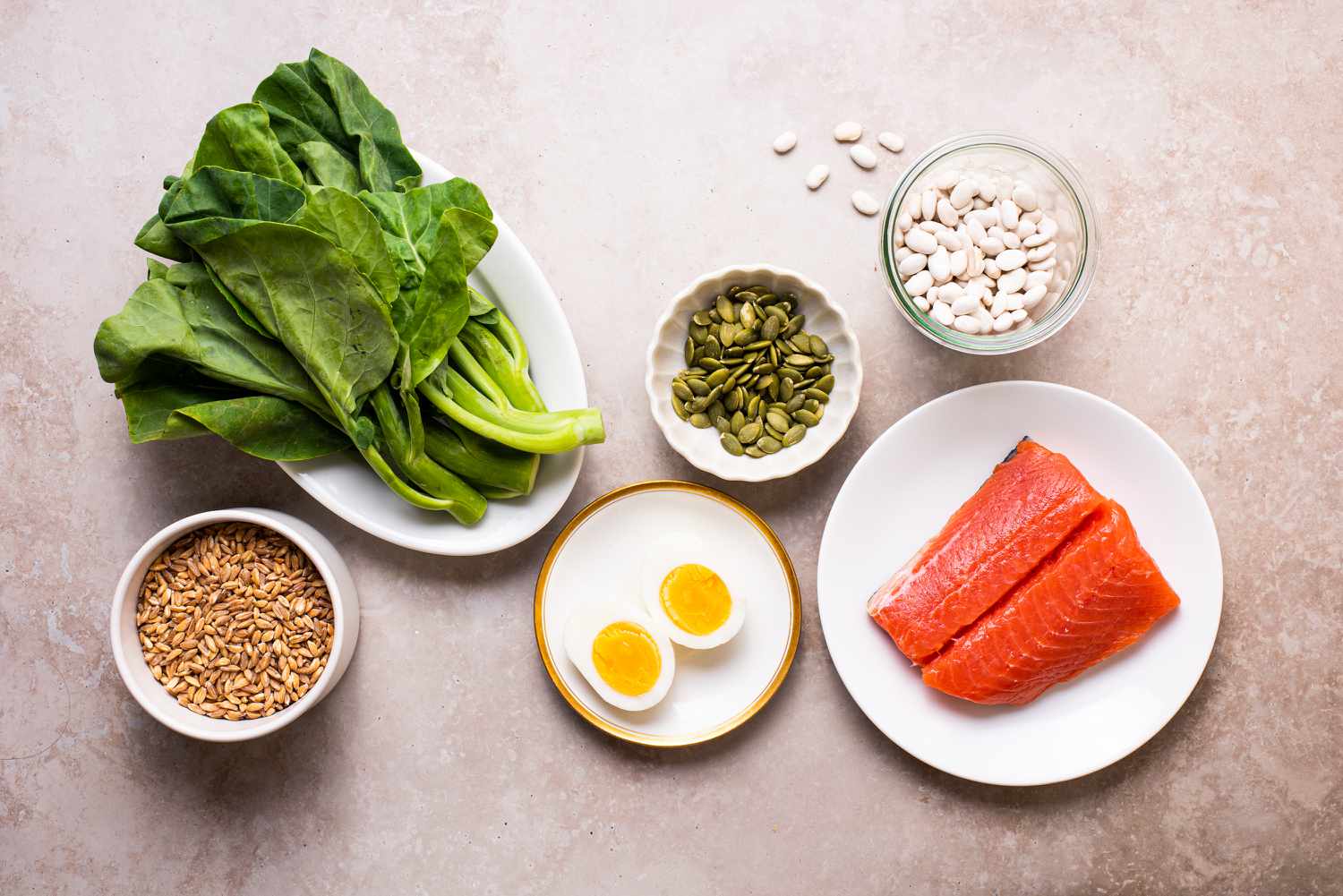
Fitness is not only built in the gym—it is built in the kitchen as well. No matter how hard you train, your body cannot perform at its best if it is not getting the right fuel. The food you eat affects your strength, stamina, recovery, and even your mood. When your nutrition is balanced and consistent, you feel more active, workouts become easier, and your energy stays stable throughout the day.
This article explains how nutrition supports fitness and how you can eat the right way to boost your energy naturally.
Why Nutrition Is Essential for Fitness and Daily Energy
Your body needs energy to move, exercise, and recover. Every workout uses stored energy, and your muscles require nutrients to repair and grow stronger. When your diet is poor, your body struggles to recover, and you may feel weak, tired, or unmotivated.
Good nutrition helps you:
- Improve workout performance
- Increase stamina and endurance
- Build lean muscle and strength
- Recover faster after exercise
- Maintain healthy body weight
- Stay active and focused all day
The Most Important Nutrients for Fitness Performance
A fitness-friendly diet is built on three major macronutrients along with vitamins and minerals. Each one has a special role in improving your performance and boosting energy.
Carbohydrates: Your Body’s Main Energy Source
Carbohydrates provide the quickest and most effective fuel for exercise. They are especially important for intense workouts such as running, weight training, or sports.
Healthy carbohydrate sources include:
- Oats
- Brown rice
- Whole wheat bread or roti
- Sweet potatoes
- Quinoa
- Fruits like bananas, apples, and berries
Choosing complex carbs keeps your energy stable and prevents sudden tiredness.
Protein: The Key to Muscle Growth and Recovery
Protein supports muscle repair after workouts. It also helps build muscle mass and keeps you full for longer, which is helpful for both fat loss and muscle gain.
Best protein sources include:
- Eggs
- Chicken breast
- Fish (salmon, tuna)
- Milk and yogurt
- Lentils, beans, chickpeas
- Tofu and soy products
For best results, include protein in every meal.
Healthy Fats: Long-Lasting Energy and Hormone Support
Healthy fats provide steady energy and support important body functions like hormone balance and brain health. They also help your body absorb vitamins.
Best sources of healthy fats:
- Olive oil
- Nuts (almonds, walnuts)
- Seeds (chia, flax, pumpkin seeds)
- Avocados
- Peanut butter (without added sugar)
Avoid fried foods and trans fats because they reduce performance and can harm your health.
Vitamins and Minerals: Small Nutrients with Big Impact
Micronutrients may not provide calories, but they are essential for energy production and muscle function. A lack of vitamins and minerals can lead to weakness, fatigue, and slow recovery.
Important nutrients for fitness include:
- Iron for oxygen and energy
- Magnesium for muscle relaxation
- Potassium for preventing cramps
- B vitamins for metabolism and stamina
- Vitamin D for strength and bone health
These nutrients are found in vegetables, fruits, dairy, legumes, and nuts.
Best Foods to Boost Fitness and Energy Naturally
Some foods are especially powerful for improving stamina and keeping your energy high.
Bananas for Quick Energy
Bananas are rich in natural carbs and potassium. They are great before workouts because they provide fast energy and help prevent muscle cramps.
Oats for Long-Lasting Power
Oats are a slow-digesting carbohydrate that keeps you energized for hours. They also contain fiber that supports digestion.
Eggs for Strength and Recovery
Eggs provide high-quality protein and essential nutrients that support muscle repair and strength.
Greek Yogurt for Protein and Digestion
Greek yogurt is rich in protein and probiotics. It improves digestion and supports muscle recovery.
Sweet Potatoes for Workout Fuel
Sweet potatoes provide complex carbs that keep you energized during long or intense workouts.
Nuts and Seeds for Healthy Energy
Nuts and seeds are excellent snacks because they contain protein, healthy fats, and minerals that support stamina.
Leafy Greens for Better Performance
Spinach and other leafy greens contain iron and antioxidants that support blood flow and reduce tiredness.
What to Eat Before a Workout for Better Performance
Pre-workout meals should provide energy without making you feel heavy. A good pre-workout meal includes carbs for fuel and a little protein for support.
Best Time to Eat Before Exercise
- A full meal: 2 to 3 hours before workout
- A light snack: 30 to 60 minutes before workout
Simple Pre-Workout Meal Ideas
- Oats with banana
- Whole wheat toast with eggs
- Yogurt with fruits
- Smoothie with milk, banana, and oats
- Brown rice with chicken (if eating earlier)
Avoid oily and fried foods before workouts because they slow digestion and reduce energy.
What to Eat After a Workout for Recovery
After training, your body needs protein to repair muscles and carbs to refill energy stores. Post-workout meals help reduce soreness and improve recovery speed.
Best Post-Workout Meal Ideas
- Chicken with rice and vegetables
- Eggs with whole wheat toast
- Lentils with brown rice
- Tuna sandwich with salad
- Milk or yogurt with banana
Try to eat within 1–2 hours after your workout for better recovery.
Hydration: The Secret to Better Energy and Endurance
Many people feel tired not because of food, but because they don’t drink enough water. Dehydration reduces performance, increases tiredness, and can cause headaches and cramps.
How Much Water Should You Drink Daily?
A good general target is:
- 8–10 glasses per day
- More if you exercise daily or sweat a lot
Signs You Need More Water
- Dry mouth
- Low energy
- Headaches
- Muscle cramps
- Dark yellow urine
Water is the best choice, but coconut water can also help after intense workouts because it contains electrolytes.
Daily Nutrition Tips for All-Day Energy
Fitness energy is not just about workouts. You need energy for your daily routine too. These habits can keep your energy stable throughout the day.
Eat Balanced Meals Instead of Skipping Meals
Skipping meals can lead to weakness and cravings. Try to eat regular meals that include carbs, protein, and vegetables.
Choose Healthy Snacks
Instead of chips or sweets, choose:
- Nuts
- Fruits
- Yogurt
- Boiled eggs
- Peanut butter toast
Reduce Sugar for Better Energy
Sugary foods give quick energy but cause a crash later. Reducing sugar improves your focus and stamina.
Sleep and Nutrition Work Together
Even the best diet cannot fully boost energy if your sleep is poor. Proper sleep supports muscle recovery and improves workout performance.
Common Nutrition Mistakes That Reduce Fitness Results
Many people struggle with low energy because they make these mistakes:
Eating Too Little Protein
Without enough protein, your muscles recover slowly and strength gains become difficult.
Depending on Junk Food
Fast food and processed snacks may feel convenient, but they reduce energy and cause weight gain.
Not Eating Enough Calories
If you eat too little, your body won’t have enough fuel for workouts and recovery.
Ignoring Hydration
Not drinking enough water can make you feel tired even if your diet is good.
Simple Daily Meal Plan for Fitness and Energy Boost
Here is a simple and realistic meal plan:
Breakfast
- Oats with milk and banana
- 2 boiled eggs
Mid-Morning Snack
- Yogurt or nuts
- 1 fruit
Lunch
- Chicken or lentils
- Brown rice or whole wheat roti
- Salad or vegetables
Evening Snack
- Peanut butter toast
- Water or green tea
Dinner
- Fish or tofu
- Vegetables
- Quinoa or roti
Before Bed (Optional)
- Warm milk or cottage cheese
Conclusion
Nutrition is the foundation of fitness and energy. When you eat the right balance of carbohydrates, protein, healthy fats, and essential vitamins, your body performs better and feels stronger. A good fitness diet helps you train harder, recover faster, and stay energized all day. Focus on whole foods, regular meals, hydration, and smart pre- and post-workout nutrition. With consistency, these habits can improve your fitness results and give you a natural energy boost every day.