



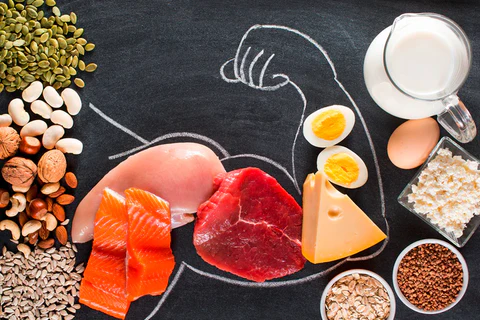
Building muscle is not only about lifting weights in the gym. Your diet plays a major role in muscle growth, recovery, and strength. Among all nutrients, protein is the most important because it helps repair muscle fibers after workouts and supports the development of lean muscle mass. If you want to gain muscle effectively, you need to eat enough protein daily and choose high-quality protein-rich foods.
In this detailed guide, you will learn the best protein-rich foods for muscle growth, how much protein you need, and how to include it in your daily meals.
Why Protein Is Important for Muscle Growth
Protein is made of amino acids, which are the building blocks of muscles. When you exercise, especially strength training, your muscles experience small tears. Protein helps repair these tears and makes muscles stronger and bigger.
Protein supports muscle growth by:
- Repairing damaged muscle tissue
- Increasing muscle mass over time
- Improving workout recovery
- Supporting strength and performance
- Reducing muscle breakdown
How Much Protein Do You Need for Muscle Growth?
The amount of protein you need depends on your body weight, activity level, and goals.
Recommended Protein Intake
For muscle growth, most active people need:
- 1.6 to 2.2 grams of protein per kg of body weight per day
For example:
- If your weight is 70 kg, you may need around 112g to 154g protein daily
Spread Protein Throughout the Day
Your body absorbs protein better when you eat it in multiple meals. Instead of eating all protein in one meal, try to divide it across the day.
A good routine is:
- Breakfast: 25–35g protein
- Lunch: 30–40g protein
- Dinner: 30–40g protein
- Snacks: 10–25g protein
Best Animal-Based Protein Foods for Muscle Growth
Animal proteins are considered complete proteins because they contain all essential amino acids needed for muscle building.
Chicken Breast
Chicken breast is one of the best lean protein sources.
Benefits:
- High protein
- Low fat
- Easy to cook
- Great for lean muscle
How to eat it:
- Grilled chicken
- Chicken salad
- Chicken wrap with whole grains
Eggs
Eggs are one of the most powerful muscle-building foods.
Benefits:
- High-quality protein
- Rich in healthy fats and vitamins
- Contains leucine (important for muscle growth)
Best ways to eat:
- Boiled eggs
- Omelet with vegetables
- Scrambled eggs
Fish (Salmon, Tuna, Sardines)
Fish provides protein plus omega-3 fatty acids, which support muscle recovery.
Benefits:
- High protein
- Anti-inflammatory omega-3 fats
- Supports heart health
Best options:
- Salmon
- Tuna
- Sardines
- Mackerel
Lean Beef
Lean beef is excellent for muscle growth because it contains protein, iron, and creatine.
Benefits:
- Supports strength
- Improves energy levels
- High in vitamin B12
Best ways to eat:
- Beef stir-fry
- Lean beef kebabs
- Beef with vegetables
Milk, Yogurt, and Cheese
Dairy products provide both protein and calcium.
Best dairy choices for muscle growth:
- Greek yogurt
- Low-fat milk
- Cottage cheese
Benefits:
- Helps muscle recovery
- Supports bone health
- Good bedtime protein option (especially cottage cheese)
Best Plant-Based Protein Foods for Muscle Growth
Plant proteins are also great for muscle building. Some plant foods may not have all essential amino acids, but combining them helps complete the protein profile.
Lentils (Daal)
Lentils are rich in protein, fiber, and complex carbs.
Benefits:
- Affordable and easy
- Supports digestion
- Keeps you full longer
How to eat:
- Lentil soup
- Daal with brown rice
- Lentil salad
Chickpeas (Chana)
Chickpeas are excellent for muscle growth and energy.
Benefits:
- High protein
- High fiber
- Good for weight control
Best ways to eat:
- Chickpea curry
- Roasted chickpea snacks
- Hummus
Beans (Kidney Beans, Black Beans)
Beans provide protein, carbs, and minerals.
Benefits:
- Supports muscle recovery
- Good for heart health
- Improves digestion
How to eat:
- Bean salad
- Beans with rice
- Bean soup
Tofu and Soy Products
Soy is a complete protein and great for muscle building.
Benefits:
- High protein
- Low fat
- Suitable for vegetarians
Best soy options:
- Tofu
- Soy milk
- Edamame
Nuts and Seeds
Nuts and seeds provide protein plus healthy fats.
Best choices:
- Almonds
- Peanuts
- Chia seeds
- Flax seeds
- Pumpkin seeds
Benefits:
- Good snack option
- Supports hormones and recovery
Note: Nuts are calorie-dense, so eat in moderation.
Best Protein-Rich Snacks for Muscle Growth
Snacks can help you meet your daily protein target easily.
High-Protein Snack Ideas
- Boiled eggs
- Greek yogurt with nuts
- Cottage cheese
- Peanut butter with banana
- Protein smoothie with milk and oats
- Roasted chickpeas
- Tuna sandwich (whole wheat bread)
Best Protein Foods After Workout
After exercise, your muscles need protein and carbs for recovery.
Ideal Post-Workout Protein Options
- Chicken with rice
- Eggs with toast
- Greek yogurt with fruit
- Protein shake with banana
- Tuna sandwich
- Lentils with brown rice
Try to eat protein within 1–2 hours after workout for better muscle recovery.
Common Mistakes People Make While Eating Protein
Many people work hard in the gym but fail to gain muscle due to poor nutrition.
Eating Too Little Protein
If you don’t eat enough protein daily, your muscles won’t recover properly and growth will slow down.
Not Eating Enough Calories
Muscle growth requires energy. If you eat too few calories, your body may not build muscle even with high protein intake.
Relying Only on Supplements
Protein supplements are helpful but should not replace real food. Whole foods provide vitamins, minerals, and fiber.
Skipping Protein in Breakfast
Starting your day with protein improves muscle repair and keeps your energy stable.
Sample Daily Protein Meal Plan for Muscle Growth
Here is a simple meal plan example:
Breakfast
- 2–3 eggs
- Oats with milk
- 1 banana
Lunch
- Chicken breast or lentils
- Brown rice
- Salad or vegetables
Snack
- Greek yogurt or nuts
- Fruit
Dinner
- Fish or tofu
- Whole wheat roti or quinoa
- Vegetables
Before Bed (Optional)
- Cottage cheese or warm milk
Conclusion
Protein-rich foods are essential for muscle growth, strength, and faster recovery. Whether you eat animal-based foods like chicken, eggs, fish, and dairy or plant-based foods like lentils, beans, tofu, and chickpeas, the key is to consume enough protein daily and spread it throughout your meals. Combine protein with strength training, proper sleep, and consistent eating habits to build strong and healthy muscles over time.