


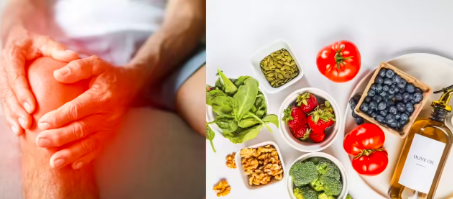
Pain can affect your daily routine, sleep, mood, and overall quality of life. While medications and therapies are commonly used for pain relief, your diet also plays a powerful role in pain management. Certain foods help reduce inflammation, support joint and muscle health, and improve recovery. On the other hand, some foods can increase inflammation and make pain worse.
In this article, you’ll learn about the best pain relief foods, how they work, and practical diet tips to manage pain naturally.
Understanding the Link Between Diet and Pain
Many types of pain are connected to inflammation in the body. Inflammation is a natural healing response, but long-term inflammation can lead to chronic pain and worsen conditions like arthritis, joint pain, and muscle soreness.
How Food Affects Pain
The foods you eat can influence:
- Inflammation levels
- Muscle recovery
- Joint lubrication
- Nerve health
- Blood circulation
- Immune system response
A balanced anti-inflammatory diet can help reduce pain over time and improve your overall health.
Best Pain Relief Foods That Help Reduce Inflammation
Some foods naturally contain anti-inflammatory compounds like antioxidants, omega-3 fatty acids, vitamins, and minerals that support pain relief.
Fatty Fish for Joint and Muscle Pain Relief
Fatty fish are one of the best foods for pain relief because they are rich in omega-3 fatty acids, which reduce inflammation in the body.
Best Options
- Salmon
- Sardines
- Tuna
- Mackerel
- Trout
How It Helps
Omega-3s may help reduce pain linked to:
- Arthritis
- Joint stiffness
- Muscle soreness
- Chronic inflammation
Berries for Natural Pain Relief
Berries are packed with antioxidants that fight inflammation and reduce pain caused by oxidative stress.
Best Berries for Pain Management
- Blueberries
- Strawberries
- Raspberries
- Blackberries
Why They Work
Berries contain compounds like anthocyanins that support:
- Joint health
- Muscle recovery
- Reduced swelling
Leafy Green Vegetables for Pain Management
Leafy greens are rich in vitamins and minerals that support the immune system and reduce inflammation.
Best Leafy Greens
- Spinach
- Kale
- Collard greens
- Swiss chard
Benefits
These vegetables contain:
- Vitamin C
- Vitamin K
- Magnesium
- Antioxidants
They are especially helpful for people dealing with:
- Arthritis pain
- Muscle cramps
- Bone and joint weakness
Nuts and Seeds for Pain Relief
Nuts and seeds contain healthy fats, magnesium, and antioxidants that support pain relief and muscle recovery.
Best Choices
- Walnuts
- Almonds
- Chia seeds
- Flaxseeds
- Pumpkin seeds
Pain Relief Benefits
They may help with:
- Joint inflammation
- Muscle soreness
- Nerve pain support
- Better energy levels
Olive Oil for Reducing Inflammation
Extra virgin olive oil is a key part of anti-inflammatory diets. It contains compounds that work similarly to mild anti-inflammatory agents.
How to Use It
- Add to salads
- Use for cooking at low heat
- Mix into vegetables and soups
Best Benefit
Olive oil supports:
- Joint comfort
- Heart health
- Reduced inflammation levels
Turmeric for Pain and Inflammation Relief
Turmeric is one of the most popular natural pain-relief foods because it contains curcumin, a powerful anti-inflammatory compound.
Best Ways to Use Turmeric
- Turmeric tea
- Add to curries or soups
- Mix with warm milk (golden milk)
Tip for Better Absorption
Turmeric works better when combined with:
- Black pepper
- Healthy fats like olive oil
Ginger for Muscle and Joint Pain
Ginger has natural anti-inflammatory properties and may help reduce pain caused by muscle soreness and joint issues.
How Ginger Helps
It may reduce:
- Muscle soreness after exercise
- Joint stiffness
- Menstrual cramps
- Digestive inflammation
Easy Ways to Eat Ginger
- Ginger tea
- Add to smoothies
- Use in cooking
Whole Grains for Long-Term Pain Management
Whole grains provide fiber that supports gut health and reduces inflammation.
Best Whole Grains
- Oats
- Brown rice
- Quinoa
- Whole wheat
- Barley
Why Whole Grains Matter
A healthy gut can reduce inflammation and improve pain control, especially for people with chronic pain conditions.
Beans and Lentils for Pain Relief and Recovery
Beans and lentils are rich in plant protein and fiber, which help reduce inflammation and support muscle repair.
Best Options
- Lentils
- Chickpeas
- Kidney beans
- Black beans
Benefits
They help with:
- Muscle recovery
- Weight control (less pressure on joints)
- Better blood sugar balance
Yogurt and Probiotic Foods for Inflammation Control
Probiotic foods support gut health, and the gut plays an important role in inflammation levels.
Best Probiotic Foods
- Yogurt
- Kefir
- Fermented foods
Why It Helps Pain
Better gut health can lead to:
- Lower inflammation
- Improved immune function
- Better digestion and energy
Dark Chocolate for Pain Relief (In Moderation)
Dark chocolate contains antioxidants and may reduce inflammation when eaten in small amounts.
Best Option
Choose chocolate with:
- 70% cocoa or more
- Low added sugar
Pain Relief Benefit
It may support:
- Reduced inflammation
- Better mood and stress control (stress can increase pain)
Foods Rich in Magnesium for Muscle Pain Relief
Magnesium helps relax muscles and may reduce cramps and spasms.
Best Magnesium-Rich Foods
- Bananas
- Avocados
- Spinach
- Pumpkin seeds
- Dark chocolate
Magnesium can be helpful for:
- Muscle cramps
- Headaches
- Tension-related pain
Diet Tips for Pain Management
Eating the right foods is important, but your overall eating habits matter too.
Follow an Anti-Inflammatory Eating Pattern
Focus on:
- Fruits and vegetables
- Lean proteins
- Healthy fats
- Whole grains
- Plenty of water
Avoid:
- Highly processed foods
- Excess sugar
- Deep-fried foods
Maintain a Healthy Weight
Extra weight increases pressure on joints, especially the knees, hips, and back. Weight management through diet can reduce pain naturally.
Stay Hydrated
Dehydration can cause:
- Muscle cramps
- Joint stiffness
- Headaches
Drink enough water daily, especially if you are active.
Eat Balanced Meals
A balanced plate should include:
- Protein (fish, beans, chicken)
- Healthy fat (olive oil, nuts)
- Fiber (vegetables, whole grains)
Balanced meals keep energy stable and reduce inflammation triggers.
Foods That Can Make Pain Worse
Just as some foods reduce pain, others increase inflammation and may worsen pain symptoms.
Avoid or Limit These Foods
Sugary Foods and Drinks
- Soft drinks
- Candy
- Desserts
Excess sugar increases inflammation and may lead to weight gain.
Processed and Fast Foods
- Chips
- Packaged snacks
- Fast food meals
These often contain unhealthy fats and high sodium.
Fried Foods
Fried foods may increase inflammation and worsen joint pain.
Excess Refined Carbohydrates
- White bread
- White rice
- Pastries
They can increase blood sugar and inflammation.
Sample Pain Relief Diet Plan (Simple Example)
Here’s a simple daily diet plan for pain management:
Breakfast
- Oatmeal with berries and walnuts
- Green tea
Lunch
- Grilled salmon with leafy greens
- Olive oil dressing
- Brown rice
Snack
- Yogurt with chia seeds
- A banana
Dinner
- Lentil soup with turmeric and ginger
- Mixed vegetables
- A small piece of dark chocolate
This type of meal plan supports inflammation control and helps reduce pain naturally.
Conclusion
Pain management is not only about medicines or treatments—your daily diet can make a big difference. The best pain relief foods include fatty fish, leafy greens, berries, nuts, turmeric, ginger, olive oil, whole grains, and probiotic-rich foods. These foods help reduce inflammation, support joint health, and improve muscle recovery.
At the same time, limiting processed foods, excess sugar, and fried meals can prevent inflammation from increasing. By following smart diet tips and choosing anti-inflammatory foods daily, you can manage pain more effectively and improve your overall well-being.