


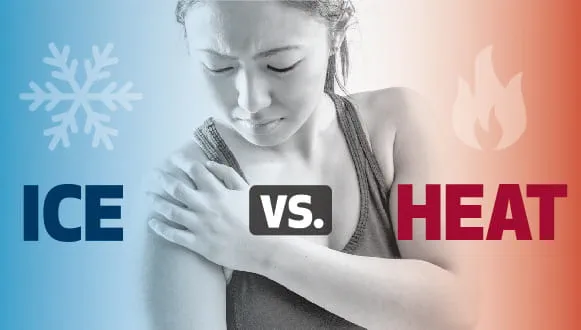
When pain strikes—whether it’s from a workout injury, back pain, joint stiffness, or muscle soreness—most people ask the same question: Should I use heat or ice? Both therapies are simple, affordable, and effective, but they work in different ways. Choosing the right one at the right time can speed up recovery and reduce pain more effectively.
In this guide, you’ll learn how heat and ice therapy work, when to use each, and which one is better for different types of pain.
Understanding Heat Therapy and Ice Therapy
Before deciding which is better, it’s important to understand what each therapy does to the body.
What Does Ice Therapy Do?
Ice therapy (also called cold therapy) reduces blood flow to the affected area. This helps lower inflammation, swelling, and pain signals.
Ice therapy helps by:
- Numbing the painful area
- Reducing swelling and inflammation
- Slowing down nerve activity (less pain sensation)
- Limiting internal bleeding after an injury
What Does Heat Therapy Do?
Heat therapy increases blood flow and relaxes muscles. It is especially helpful for stiffness, tight muscles, and chronic pain.
Heat therapy helps by:
- Improving blood circulation
- Relaxing tight muscles
- Reducing joint stiffness
- Increasing tissue flexibility
- Promoting healing over time
Heat vs Ice Therapy: Key Differences
Both are helpful, but they are best used for different conditions.
Ice Therapy Is Best For:
- New injuries (first 24–48 hours)
- Swelling and inflammation
- Sprains and strains
- Sports injuries
- Bruises
- Acute sharp pain
Heat Therapy Is Best For:
- Muscle stiffness
- Tight muscles and spasms
- Chronic pain conditions
- Joint stiffness
- Back and neck pain caused by tension
- Pain before stretching or exercise
When to Use Ice Therapy for Pain Relief
Ice therapy is usually the best option for acute pain and injuries that involve swelling.
Use Ice for Acute Injuries
If you’ve recently injured yourself, ice should be your first choice.
Examples include:
- Twisted ankle
- Pulled muscle
- Knee swelling after activity
- Shoulder injury from lifting
- Sudden joint pain with inflammation
Ice Helps Reduce Swelling
Swelling is the body’s response to injury, but too much swelling can increase pain and slow recovery. Ice helps control swelling quickly.
Ice Is Helpful for Inflammatory Pain
Ice can be useful for inflammatory conditions, especially during flare-ups.
Examples:
- Arthritis flare-ups
- Tendinitis pain after activity
- Bursitis swelling
When to Use Heat Therapy for Pain Relief
Heat therapy is usually best for chronic pain and muscle tightness.
Use Heat for Muscle Tightness and Spasms
Heat helps muscles loosen up and relax, reducing pain caused by tension.
Common conditions include:
- Tight neck muscles
- Shoulder stiffness
- Lower back muscle spasm
- Stress-related muscle pain
Heat Helps Chronic Pain Conditions
Chronic pain often comes with stiffness and reduced circulation. Heat therapy improves blood flow and helps reduce discomfort.
Conditions where heat works well:
- Chronic lower back pain
- Osteoarthritis
- Fibromyalgia-related stiffness
- Old injuries with stiffness
Heat Is Best Before Movement or Exercise
Applying heat before stretching or activity helps improve flexibility and reduces the risk of injury.
Heat vs Ice Therapy: Which One Is Better?
The answer depends on your type of pain.
For Sudden Injury or Swelling: Ice Is Better
If pain started suddenly and there is swelling, ice therapy is usually more effective.
Choose ice when:
- Pain is sharp and sudden
- Area is swollen or red
- Injury happened recently
- You feel heat or inflammation in the area
For Stiffness and Muscle Tightness: Heat Is Better
If your pain is long-term and feels stiff or tight, heat therapy usually works better.
Choose heat when:
- Pain is dull or aching
- Muscles feel tight
- Joint feels stiff
- Pain improves slightly with movement
How to Use Ice Therapy Correctly
Using ice the wrong way can cause skin irritation or worsen discomfort.
Best Method for Ice Therapy
Step-by-step:
- Wrap an ice pack in a towel (never place directly on skin)
- Apply to the painful area for 15–20 minutes
- Remove and rest for at least 1 hour
- Repeat 2–4 times daily if needed
Ice Therapy Safety Tips
- Do not apply ice longer than 20 minutes
- Avoid ice if you have poor circulation
- Stop if you feel numbness or burning
How to Use Heat Therapy Correctly
Heat can also cause burns if used incorrectly, so proper timing is important.
Best Method for Heat Therapy
Step-by-step:
- Use a warm towel, heating pad, or hot water bottle
- Apply for 15–20 minutes
- Repeat 2–3 times daily for chronic pain
Heat Therapy Safety Tips
- Avoid sleeping with a heating pad on
- Do not use heat on swollen or freshly injured areas
- Use medium warmth, not extreme heat
Can You Use Heat and Ice Together?
Yes, in some cases, alternating heat and ice (contrast therapy) works well.
When Alternating Heat and Ice Helps
This method can help with:
- Muscle soreness after workouts
- Chronic joint pain
- Injuries in the recovery phase (after swelling is gone)
How to Alternate Heat and Ice
A simple routine:
- Ice for 10–15 minutes
- Rest for 10 minutes
- Heat for 10–15 minutes
- Repeat once or twice
Heat vs Ice Therapy for Common Pain Conditions
Here is a simple guide to help you choose quickly:
Back Pain
- Acute back injury: Ice
- Chronic back stiffness: Heat
Neck Pain
- Tight muscles: Heat
- Inflammation after strain: Ice
Knee Pain
- Swollen knee: Ice
- Stiff knee arthritis: Heat
Shoulder Pain
- New injury or swelling: Ice
- Frozen shoulder stiffness: Heat
Muscle Soreness After Workout
- Mild soreness: Heat or warm shower
- Severe soreness with swelling: Ice
Arthritis
- Swollen painful flare-up: Ice
- Daily stiffness: Heat
Mistakes People Make with Heat and Ice Therapy
Many people use these therapies incorrectly and don’t get full results.
Common Mistakes
- Using heat right after a fresh injury
- Applying ice directly on skin
- Using therapy too long
- Not giving enough rest between sessions
- Ignoring severe pain that needs medical attention
When to See a Doctor for Pain Relief
Heat and ice therapy are helpful, but some pain conditions require medical treatment.
Seek medical help if:
- Pain lasts more than 7–10 days
- Swelling is severe
- You cannot move the joint
- Pain is worsening daily
- You feel numbness or tingling
- Pain follows a major injury or fall
Conclusion
So, heat vs ice therapy— which is better for pain relief? The best choice depends on your condition:
- Ice therapy is best for new injuries, swelling, and inflammation
- Heat therapy is best for stiffness, tight muscles, and chronic pain
- For some cases, alternating both can provide better results
Using the right therapy at the right time can reduce pain faster, improve recovery, and help you return to daily activities comfortably. If pain is severe or not improving, it’s always best to consult a healthcare professional for proper diagnosis and treatment.