


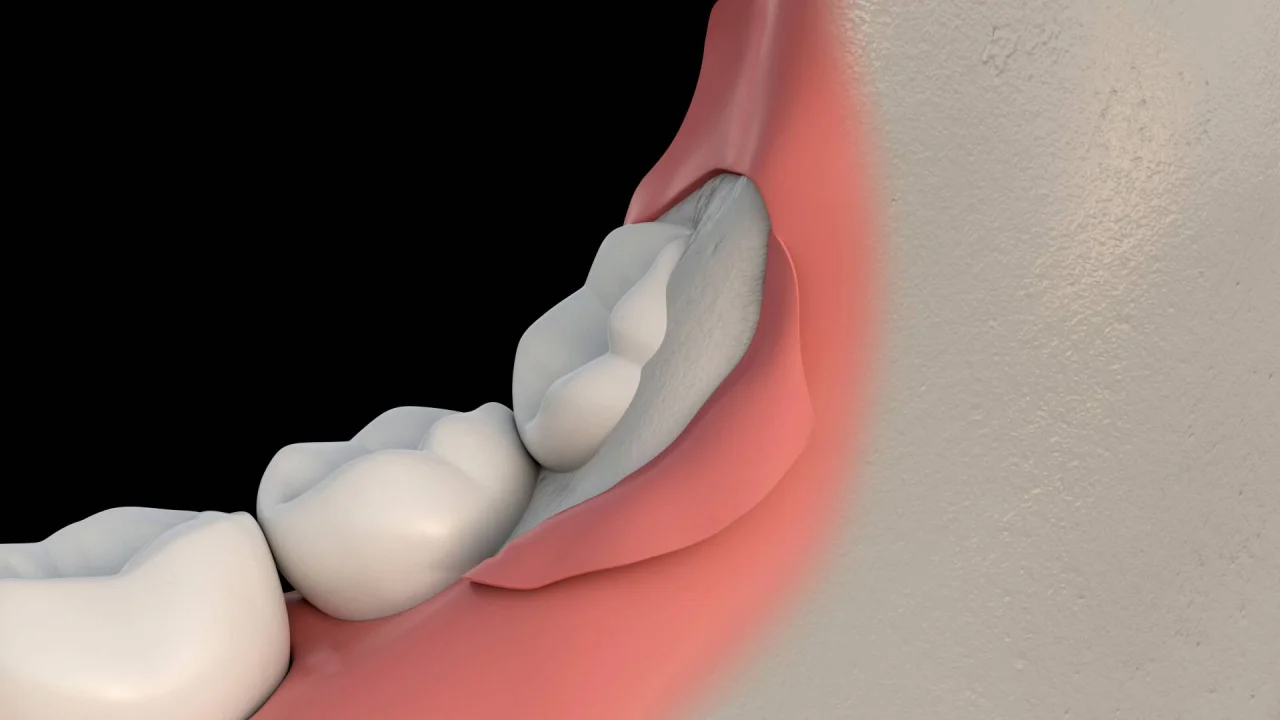
Wisdom teeth removal is a very common dental procedure, especially for teenagers and young adults. Wisdom teeth are the third set of molars located at the back of your mouth, and they usually appear between the ages of 17 and 25. For some people, wisdom teeth grow normally without causing problems. However, in many cases, they become impacted, grow at the wrong angle, or create pain and swelling, which makes removal necessary.
If you are preparing for wisdom teeth extraction, it is normal to feel nervous. Knowing what to expect before, during, and after the procedure can help you feel more confident and comfortable. This article explains everything you need to know, including the reasons for removal, the procedure steps, recovery timeline, aftercare tips, and possible complications.
What Are Wisdom Teeth?
Wisdom teeth are the last molars that develop in the mouth. Most people get four wisdom teeth:
- two on the top
- two on the bottom
Some people may have fewer, and others may not develop wisdom teeth at all.
Wisdom teeth often cause issues because the modern jaw is usually not large enough to fit them properly. As a result, they may grow in partially, become trapped under the gums, or push against other teeth.
Why Wisdom Teeth Are Removed
Dentists recommend removing wisdom teeth when they cause pain or create a risk for future dental problems.
Common reasons for wisdom teeth removal include:
Impacted Wisdom Teeth
Impacted wisdom teeth are trapped under the gums or jawbone. They may grow:
- sideways
- at an angle
- only partially through the gum
Impacted teeth can lead to swelling, infection, and pain.
Pain and Swelling
When wisdom teeth push against nearby teeth or gums, they can cause discomfort and swelling in the back of the mouth.
Infection and Gum Disease
Partially erupted wisdom teeth create a space where bacteria can collect, leading to:
- gum infection
- bad breath
- swelling
- pus formation
Tooth Decay (Cavities)
Wisdom teeth are difficult to clean because of their location. This increases the risk of cavities in both wisdom teeth and nearby molars.
Damage to Nearby Teeth
Wisdom teeth can press against the second molars, causing:
- crowding
- enamel damage
- pain and pressure
Cysts or Jaw Problems
In rare cases, impacted wisdom teeth may form cysts that can damage jawbone and surrounding teeth.
Signs You May Need Wisdom Teeth Removal
You may need wisdom teeth extraction if you experience:
- pain at the back of your mouth
- swollen or bleeding gums
- jaw stiffness
- difficulty opening your mouth
- bad breath or bad taste
- frequent headaches near the jaw area
- infection or pus near wisdom tooth area
Even if you don’t have symptoms, your dentist may recommend removal if X-rays show future risk.
What Happens Before Wisdom Teeth Removal
Before the procedure, your dentist or oral surgeon will examine your mouth and take X-rays.
Dental Examination and X-Rays
X-rays help the dentist check:
- tooth position and angle
- level of impaction
- root shape
- closeness to nerves and sinuses
This helps create a safe treatment plan.
Discussion of Anesthesia Options
Wisdom teeth removal can be done using different types of anesthesia depending on complexity and your comfort level.
Common anesthesia options include:
- local anesthesia (numbs the area)
- sedation anesthesia (makes you relaxed and sleepy)
- general anesthesia (you are fully asleep)
Your dentist will recommend the best option for you.
Pre-Surgery Instructions
You may be asked to:
- avoid eating or drinking for a few hours (if sedation is used)
- arrange someone to drive you home
- inform the dentist about medications or allergies
Following these instructions helps reduce complications.
What to Expect During Wisdom Teeth Removal
The procedure is usually completed in 30 to 60 minutes, depending on how many teeth are removed and whether they are impacted.
Step 1: Numbing or Sedation
The dentist will give anesthesia to ensure you feel no pain during extraction. You may still feel pressure, but it should not be painful.
Step 2: Gum Incision (If Needed)
If the tooth is impacted, the dentist will make a small cut in the gum to reach the tooth.
Step 3: Removing Bone (If Necessary)
In some cases, a small amount of bone covering the tooth may be removed.
Step 4: Tooth Extraction
The wisdom tooth may be removed in one piece or broken into smaller pieces for easier removal.
Step 5: Cleaning the Area
The dentist will clean the extraction site to remove debris and reduce infection risk.
Step 6: Stitches and Gauze
Stitches may be placed to help healing. Gauze will be applied to control bleeding and form a blood clot.
What to Expect After Wisdom Teeth Removal
Recovery is different for everyone, but most people heal within 1 to 2 weeks.
Bleeding and Blood Clot Formation
Light bleeding is normal for the first few hours. A blood clot forms in the socket to protect the area and start healing.
It is very important not to disturb the blood clot because it can lead to a painful condition called dry socket.
Swelling and Pain
Swelling usually peaks within 24 to 48 hours and then gradually improves. Pain is normal and can be managed with prescribed or over-the-counter medications.
Limited Mouth Opening
Jaw stiffness may occur, making it difficult to open your mouth fully for a few days.
Bruising
Some people experience mild bruising on the cheeks or jaw area, which usually fades in a week.
Wisdom Teeth Removal Recovery Timeline
Here is a general idea of what recovery looks like:
First 24 Hours
- bleeding and mild pain
- swelling begins
- rest is important
- soft foods only
Days 2 to 3
- swelling may increase and then start improving
- discomfort is manageable
- bruising may appear
Days 4 to 7
- pain reduces significantly
- swelling goes down
- stitches may dissolve or be removed
Week 2
- most healing is complete
- normal eating and routine returns
Complete healing of the extraction socket may take several weeks, but discomfort usually goes away earlier.
Aftercare Tips for Fast Healing
Proper aftercare helps you heal quickly and prevents complications.
Control Bleeding Properly
- bite gently on gauze for 30–45 minutes
- replace gauze if needed
- avoid spitting frequently
Manage Swelling
- apply ice packs for 15 minutes at a time during the first 24 hours
- keep your head elevated while resting
Take Medications as Directed
Your dentist may prescribe:
- painkillers
- antibiotics (if infection risk exists)
Always take medicine as instructed.
Eat Soft Foods
For the first few days, eat:
- yogurt
- mashed potatoes
- soup (not too hot)
- smoothies (without straw)
- eggs
- soft rice
Avoid hard, crunchy, or spicy foods.
Avoid Straws and Smoking
Using a straw or smoking can dislodge the blood clot and cause dry socket.
Avoid:
- smoking for at least 3–5 days
- using a straw for at least 3 days
Maintain Oral Hygiene Carefully
- do not brush the extraction area on the first day
- rinse gently with warm salt water after 24 hours
- brush carefully after the first day
Keeping the mouth clean prevents infection.
Possible Complications After Wisdom Teeth Removal
Most extractions heal without issues, but complications can happen.
Dry Socket
Dry socket occurs when the blood clot is lost, exposing bone and nerves. It causes severe pain and bad breath.
Symptoms include:
- strong pain after 2–3 days
- empty-looking socket
- unpleasant taste
Infection
Signs of infection include:
- fever
- pus
- increasing swelling
- worsening pain
Nerve Damage (Rare)
Lower wisdom teeth can be close to nerves, which may cause temporary numbness in the lips or tongue.
Sinus Problems (Upper Teeth)
Upper wisdom teeth can be close to sinuses, and removal may cause temporary sinus discomfort.
If you notice unusual symptoms, contact your dentist immediately.
When to Contact Your Dentist
Call your dentist if you experience:
- heavy bleeding that doesn’t stop
- severe pain after a few days
- fever or chills
- swelling that worsens after 3 days
- pus or bad smell
- difficulty breathing or swallowing
These signs may indicate complications.
Conclusion
Wisdom teeth removal is a common and generally safe dental procedure. Most people experience mild swelling, pain, and discomfort for a few days, followed by gradual improvement. Knowing what to expect can reduce anxiety and help you prepare properly. By following your dentist’s instructions, eating soft foods, keeping your mouth clean, and avoiding smoking or straws, you can recover faster and prevent problems like dry socket or infection. If you notice severe pain or unusual symptoms during recovery, contact your dentist immediately for proper care.