



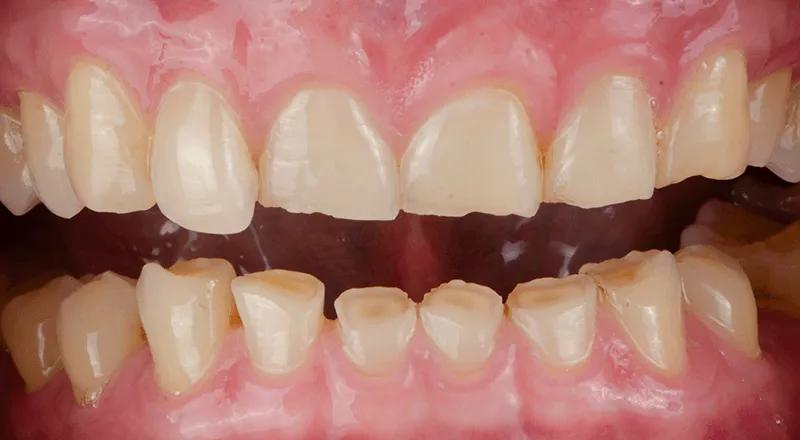
Teeth grinding, medically known as bruxism, is a common condition where a person clenches or grinds their teeth, often without realizing it. It can happen during the day (while awake) or at night (while sleeping). While occasional grinding may not cause major harm, frequent bruxism can lead to serious dental problems such as tooth damage, jaw pain, headaches, and even long-term issues with the jaw joint.
In this detailed guide, you will learn what bruxism is, its major causes, symptoms, risk factors, and the best solutions to manage and treat it safely.
What Is Teeth Grinding (Bruxism)?
Bruxism is the habit of clenching, grinding, or gnashing teeth, usually caused by stress, sleep problems, or bite-related issues. Many people grind their teeth during sleep, which makes it difficult to detect until symptoms appear.
Bruxism can affect both adults and children, and it may become worse if left untreated.
Types of Bruxism
Bruxism generally occurs in two forms:
Awake Bruxism
This happens during the day, usually when a person is stressed, focused, or anxious. People may clench their jaw without noticing, especially during work or stressful situations.
Sleep Bruxism
This happens while sleeping and is often linked to sleep disorders such as snoring or sleep apnea. Sleep bruxism is usually more damaging because the pressure applied during sleep can be stronger than normal chewing.
Common Causes of Teeth Grinding
Bruxism can happen due to multiple reasons, and sometimes it may be caused by a combination of factors.
Stress and Anxiety
Stress is one of the biggest causes of teeth grinding. People who experience:
- daily pressure
- emotional stress
- anxiety
- anger or frustration
are more likely to clench their jaw and grind their teeth.
Sleep Disorders
Sleep bruxism is commonly linked to sleep-related problems such as:
- sleep apnea
- snoring
- restless sleep
- insomnia
When sleep quality is poor, grinding may become more frequent.
Misaligned Teeth or Bite Problems
Sometimes, bruxism occurs due to dental alignment issues such as:
- uneven bite
- crooked teeth
- missing teeth
- poorly fitted crowns or fillings
These issues can cause the jaw to work abnormally, leading to grinding.
Lifestyle Habits
Certain habits can increase the risk of bruxism, including:
- smoking
- alcohol consumption
- excessive caffeine intake
- drug use
These factors may affect the nervous system and increase jaw tension.
Medications and Medical Conditions
Some medicines and health issues may trigger teeth grinding, such as:
- antidepressants (in some cases)
- ADHD medications
- neurological conditions like Parkinson’s disease (rare)
If bruxism begins after starting a medication, it is important to consult a doctor.
Signs and Symptoms of Bruxism
Many people don’t realize they grind their teeth until a dentist notices tooth damage or a partner hears grinding sounds at night.
Common signs include:
Tooth-Related Symptoms
- worn-down teeth
- cracked or chipped teeth
- increased tooth sensitivity
- loose teeth (in severe cases)
- damage to fillings or crowns
Jaw and Face Symptoms
- jaw pain or tightness
- soreness in the face muscles
- difficulty opening the mouth fully
- jaw clicking or popping sounds
Head and Sleep Symptoms
- headaches, especially in the morning
- ear pain (without ear infection)
- disturbed sleep
- tiredness after waking up
Why Teeth Grinding Is Dangerous
Bruxism may seem like a small issue at first, but over time it can cause serious damage.
Damage to Teeth
Grinding can wear down enamel, making teeth weaker and more sensitive. Severe grinding can even expose the inner layer of the tooth, leading to pain and decay.
Jaw Joint Problems (TMJ Disorder)
Bruxism can strain the temporomandibular joint (TMJ), leading to:
- jaw pain
- clicking sounds
- locking jaw
- difficulty chewing
Gum Problems
Excess pressure from grinding may cause gum recession, which increases the risk of tooth sensitivity and tooth loss.
Poor Sleep Quality
Sleep bruxism can interrupt deep sleep, leaving you tired and affecting your daily energy levels.
Best Solutions for Teeth Grinding (Bruxism)
The good news is that bruxism can be managed effectively with the right approach. Treatment depends on the cause and severity.
Dental Solutions for Bruxism
Night Guards and Mouth Guards
A night guard is one of the most common and effective treatments for sleep bruxism.
Benefits:
- protects teeth from damage
- reduces jaw pressure
- prevents cracking and wearing
- improves comfort during sleep
Custom night guards made by dentists are usually more comfortable and effective than store-bought ones.
Fixing Bite Problems
If bruxism is caused by bite misalignment, dentists may recommend:
- orthodontic treatment (braces or aligners)
- reshaping certain teeth
- replacing missing teeth
- correcting dental restorations
Fixing bite issues can reduce grinding and jaw strain.
Lifestyle Changes to Reduce Teeth Grinding
Manage Stress Properly
Since stress is a major cause, reducing it can significantly improve bruxism.
Helpful stress management methods include:
- deep breathing exercises
- meditation
- yoga
- regular walking
- journaling
- therapy or counseling
Reduce Caffeine and Alcohol
High caffeine intake can increase jaw tension and worsen grinding.
Try limiting:
- coffee
- energy drinks
- cola
- strong tea
Alcohol may also increase sleep-related grinding, so reducing alcohol can help.
Avoid Chewing Habits
Stop habits that strain jaw muscles such as:
- chewing gum
- biting nails
- chewing pens or pencils
- clenching jaw during focus
Home Remedies for Bruxism Relief
Warm Compress on Jaw
Applying a warm compress for 10–15 minutes can relax jaw muscles and reduce pain.
Jaw Stretching Exercises
Simple jaw stretches can reduce stiffness and improve flexibility. Dentists may suggest exercises depending on your condition.
Maintain Good Sleep Routine
Better sleep reduces nighttime grinding. Try:
- sleeping at the same time daily
- avoiding screens before bed
- keeping your room quiet and dark
- reducing stress before sleeping
Medical Treatment for Severe Bruxism
In severe cases, a doctor or dentist may recommend medical treatment.
Muscle Relaxants (Short-Term)
Sometimes muscle relaxants may be prescribed to reduce jaw tightness, especially if pain is severe.
Botox for Bruxism
Botox injections can relax jaw muscles and reduce grinding intensity. This treatment is usually recommended when other methods fail.
Treating Sleep Apnea
If bruxism is linked to sleep apnea, treating sleep apnea can reduce teeth grinding significantly.
When to See a Dentist for Bruxism
You should visit a dentist if you notice:
- jaw pain or stiffness
- worn or cracked teeth
- frequent headaches
- tooth sensitivity
- grinding sounds during sleep
Early treatment prevents long-term tooth damage and expensive dental repairs.
How to Prevent Teeth Grinding
Bruxism may not always be fully preventable, but these steps can reduce the risk:
- manage stress daily
- avoid caffeine late in the day
- stop chewing gum and hard foods
- practice jaw relaxation exercises
- use a night guard if recommended
- get regular dental checkups
Conclusion
Teeth grinding (bruxism) is a common but serious condition that can damage teeth, cause jaw pain, and lead to headaches and sleep problems. Stress, sleep disorders, bite issues, and lifestyle habits are some of the most common causes. The best solutions include using a night guard, managing stress, improving sleep habits, reducing caffeine, and getting dental treatment for bite problems if needed. With proper care and early treatment, you can protect your teeth, reduce discomfort, and improve your overall oral health.